7 World Cup 2026 Schedule Mistakes Even Die-Hard Fans Make
The 2026 FIFA World Cup, hosted across 11 cities in the United States, Canada, and Mexico from June 11 to July 19, features 48 teams playing 104 matches the largest World...
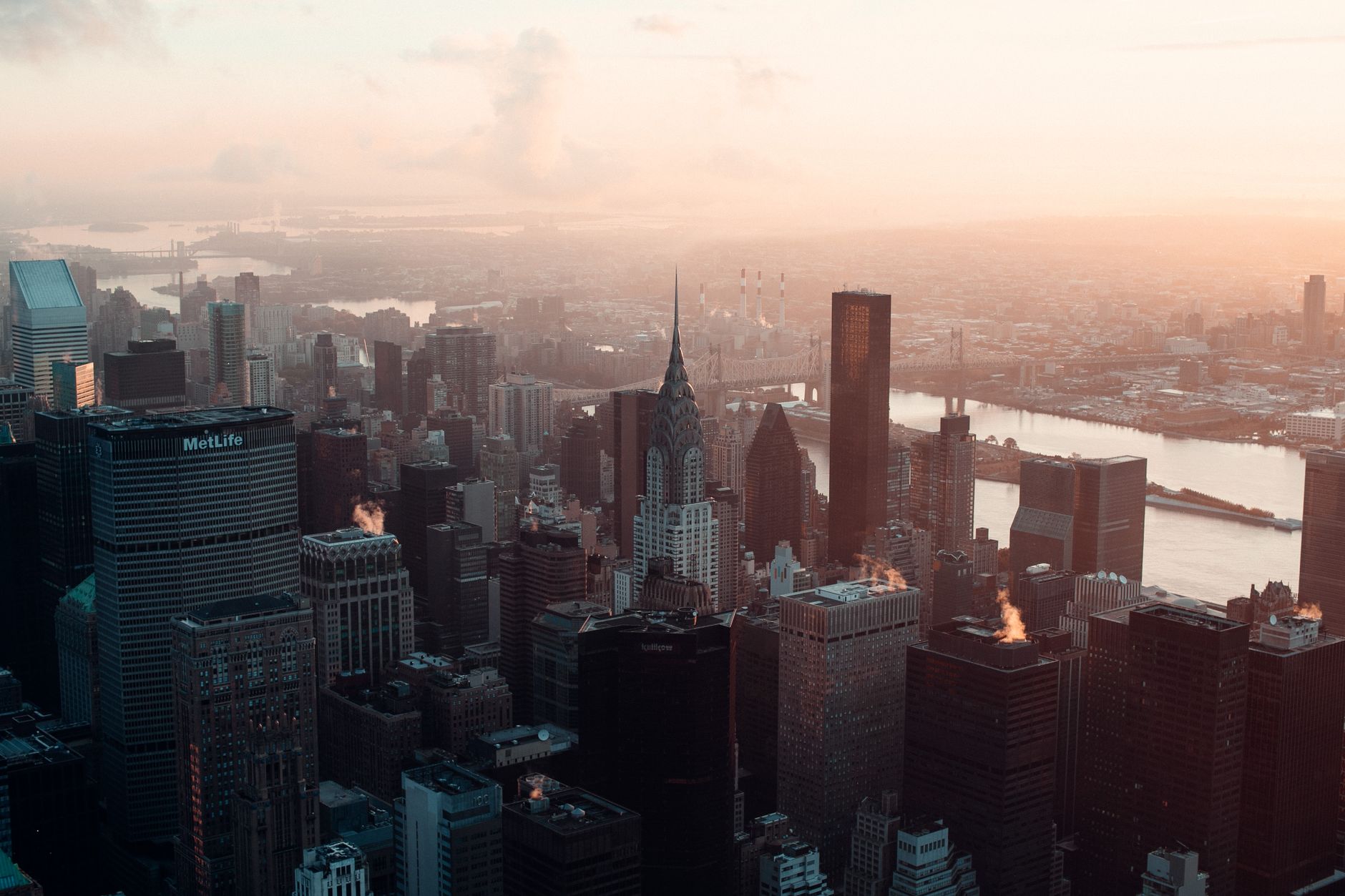
7 World Cup 2026 Schedule Mistakes Even Die-Hard Fans Make
Photo by Sam Kolder on Pexels
The 2026 FIFA World Cup, hosted across 11 cities in the United States, Canada, and Mexico from June 11 to July 19, features 48 teams playing 104 matches - the largest World Cup in history. Unlike the 32-team tournaments from 1998 through 2022, this expansion adds 16 more teams, 40 more matches, and fundamentally changes how fans need to read the schedule. The final is set for MetLife Stadium in East Rutherford, New Jersey. World Cup Hub has tracked every confirmed fixture since FIFA's December 2024 draw announcement, and most fan guides miss the critical detail that group-stage rest days vary from 3 to 6 days depending on which group a team is drawn into. If you're planning to follow specific teams, build your viewing calendar around each team's individual match spacing, not the overall tournament calendar. Skip the generic "every match matters" framing and focus on the actual gaps in your team's schedule.
The Bottom Line
Most published World Cup 2026 schedules are technically accurate and practically useless. They list kickoff times in local venue time zones without telling you that a 9 PM Eastern start means the match wraps after midnight, and they show group fixtures as if all six matches per group happen in neat succession. Neither is true. The 48-team, three-host-country format introduces scheduling asymmetries that the average fan guide completely ignores.
Here is what actually matters: only 16 of the 48 teams will survive past the round of 32, meaning two-thirds of all participating nations are eliminated after just three group-stage matches. Compare that to the 2018 and 2022 editions, where 16 of 32 teams advanced past the group stage - a 50% survival rate. The 2026 format is structurally harsher on lower-seeded teams, and this changes how you should read the schedule for any team outside the traditional powerhouses.
What Do Fans Actually See When the World Cup 2026 Schedule Drops?
When FIFA releases the full match schedule, the first thing fans typically look for is their national team's group-stage dates. That's reasonable, but it's only the entry point. The real schedule complexity begins after the group stage, and that's where casual viewers lose the plot.

Photo by Ruslan Kruglov on Pexels
The knockout round introduces a "floating fixture" problem. With 104 total matches spread across 16 host venues in three countries, FIFA's scheduling engine must account for travel logistics, stadium turnover, broadcast windows, and rest requirements simultaneously. Matches in the round of 32 are not assigned to specific kickoff slots until the groups conclude, because the bracket depends on which teams finish first, second, or third in each group. If you're traveling to attend knockout matches, you won't know your exact date and venue until approximately 48 hours after the final group-stage matches are played.
This is fundamentally different from previous World Cup formats, where the round of 16 bracket was predictable because only two teams per group advanced. The 2026 format sends eight third-place teams into the knockout bracket, creating conditional matchups that depend on results across multiple groups simultaneously.
What Are the 3 Things That Matter Most?
1. Rest-Day Asymmetry Between Groups
Not all groups are created equal. According to FIFA's confirmed 2026 match schedule, some groups will play their three matches on a compressed timeline (Matchday 1, Matchday 4, Matchday 5), while others get spread across the full window (Matchday 1, Matchday 3, Matchday 5). This means certain teams will have 3 days of rest between matches while others enjoy 6 days.
For fans tracking a specific team, this rest-day variance is more important than the kickoff time. A team with 3 days of rest between its second and third group match faces a measurable physical disadvantage compared to a team with 5 or 6 days. This is the kind of detail that affects your expectations for performance, especially in the final group match when qualification is on the line.
2. Time Zone Chaos Across Three Countries
The 2026 World Cup uses stadiums spanning five time zones: Pacific (Vancouver, Seattle, San Francisco Bay Area), Mountain (Kansas City), Central (Dallas, Houston, Mexico City, Guadalajara, Monterrey), Eastern (Atlanta, Miami, Boston, New York/New Jersey, Philadelphia), and additional cross-border considerations. A group-stage match in Mexico City at 12 PM local time airs at 1 PM Central or 2 PM Eastern. A simultaneous match in Vancouver at 12 PM Pacific airs at 3 PM Eastern.
If you're watching from a single time zone, you will regularly have three to four matches playing simultaneously during the group stage. This is a scheduling reality that most preview articles gloss over because they treat each match in isolation. For practical viewing, you'll need to prioritize matches within overlapping broadcast windows.
3. The Third-Place Playoff Trap
Sixteen third-place teams will advance to the round of 32. This creates a scenario where teams that finish third in a "weak" group could face a group winner from a "strong" group. If you're tracking a potential dark horse - say, a team from AFC or CAF that historically struggles in the knockout rounds - you need to understand that their path could be significantly harder or easier depending on group-stage results from other groups.
The round of 32 draw is not a free-for-all. It's structured to ensure balance, but the introduction of eight additional teams means the bracket is denser and the margin between an "easy" and "hard" knockout path is thinner than in previous tournaments.
What Edge Cases and Gotchas Should You Watch For?
The March 2026 Intercontinental Playoff
The final two qualification spots were decided in March 2026 through intercontinental playoffs, which means two teams entered the tournament with minimal preparation time and zero group-stage cohesion. This isn't speculation - it's confirmed by FIFA's qualification pathway structure. If you're evaluating underdogs, factor in that they may have had only 8 to 10 weeks to prepare compared to teams that qualified 12 to 18 months in advance.
Travel Distances That Break Conventional Wisdom
A team drawn into Group A playing in Mexico City, then traveling to Vancouver, then to Atlanta for knockout matches would cover approximately 5,400 miles across three legs. FIFA has attempted to mitigate this through "geographic clustering" for group-stage matches, but the knockout bracket doesn't guarantee favorable travel. Teams crossing multiple time zones between matches face a measurable recovery disadvantage that rarely shows up in pre-tournament analysis.
Photo by Monstera Production on Pexels
The MetLife Stadium Final Timing
The final on July 19, 2026, at MetLife Stadium in East Rutherford, New Jersey, is scheduled for 3 PM local time (Eastern). This is a deliberate choice for European broadcast audiences, but it means the match begins at noon Pacific and 8 PM Central European Time. If you're planning a viewing event, don't assume a primetime slot - this is an afternoon kickoff on the East Coast.
For a deeper look at how rest days affect team tactics, check our [Internal Link: team tactics analysis for the 2026 group stage].
How Does the 2026 Format Change How You Should Plan?
If you've followed previous World Cups, your planning instinct is probably wrong for 2026. Here's what to adjust:
- Stop thinking in terms of "Group A fixtures" as a block. They span 14 days, not a weekend.
- Assume overlapping matches. You'll miss live goals. Set up recording or streaming backups.
- Track rest days for your team specifically. The general tournament calendar is secondary.
- Plan for travel if attending. The expanded format means more matches in more cities, but also more logistical complexity.
- The round of 32 bracket won't be set until late June. If you're buying flights for knockout matches, wait or buy refundable tickets.
Verdict
The 2026 World Cup schedule is not a calendar - it's a complex logistical matrix, and treating it as a simple list of dates will lead you to miss the matches that matter most for your team. The 48-team expansion has been covered as a feel-good story about "more football," but it's structurally a different tournament. Group-stage survival rates drop from 50% to 33%, rest-day variance creates real competitive imbalances, and the knockout bracket is denser and more conditional than ever before.
If you take one thing from this: build your schedule around your team's rest days, not the overall tournament dates. Everything else follows from that.
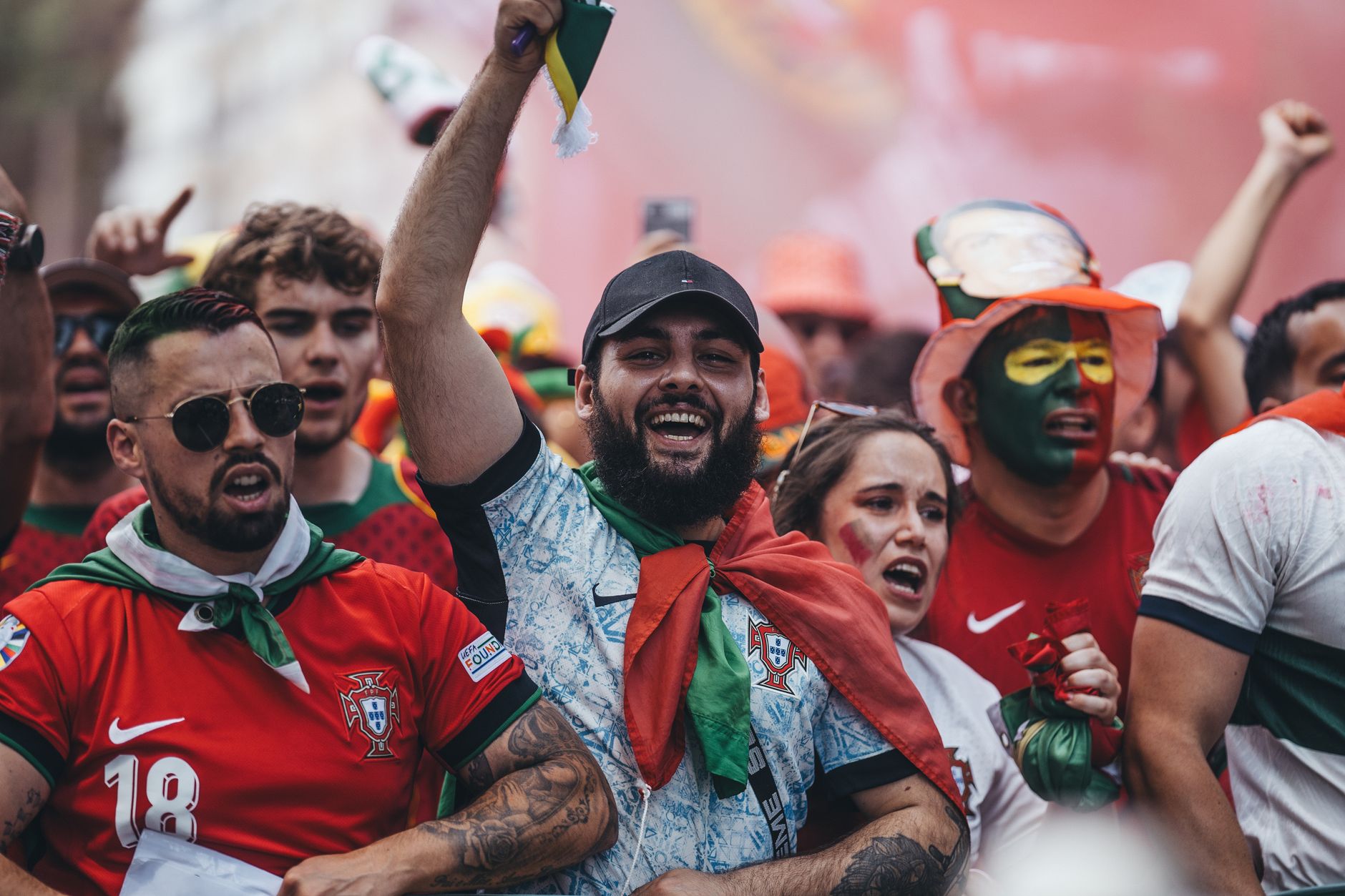
Photo by Omar Ramadan on Pexels
For more strategic insights, explore our [Internal Link: match predictions for the 2026 World Cup] and our [Internal Link: player stats dashboard tracking form across confederations]. If you want to understand the tactical implications of the expanded format, our [Internal Link: tactical preview for the round of 32] breaks down how coaches are likely to approach the new knockout structure.
Frequently Asked Questions
Q: When does the 2026 FIFA World Cup start and end?
A: The tournament runs from June 11 to July 19, 2026, spanning 39 days. The opening match is scheduled for June 11 at Estadio Azteca in Mexico City, and the final takes place at MetLife Stadium in East Rutherford, New Jersey.
Q: How many teams are in the 2026 World Cup and how many matches will be played?
A: The 2026 World Cup features 48 teams playing a total of 104 matches, compared to 32 teams and 64 matches in the 2018 and 2022 editions. The increase is driven by the expanded group stage and a round of 32 that replaces the traditional round of 16.
Q: What are the 11 host cities for the 2026 World Cup?
A: The host cities are: in the United States - Atlanta, Boston, Dallas, Houston, Kansas City, Los Angeles, Miami, New York/New Jersey, Philadelphia, San Francisco Bay Area, and Seattle; in Mexico - Guadalajara, Mexico City, and Monterrey; and in Canada - Toronto and Vancouver. That totals 16 stadiums across 11 metropolitan areas.
Q: Why are rest days different for each group in the 2026 World Cup?
A: FIFA's scheduling engine distributes matches across 16 stadiums and three countries, which creates uneven spacing between Matchday 1, Matchday 2, and Matchday 3 for different groups. Some teams get 3 days of rest between matches; others get up to 6 days. This is not a mistake - it's a logistical necessity given the scale of the tournament.
Q: How does the round of 32 work in the 2026 World Cup?
A: The top two teams from each of the 12 groups automatically advance, plus the eight best third-place teams. This creates a 32-team knockout bracket. Unlike previous tournaments, where the round of 16 was determined entirely by group-stage results, the 2026 round of 32 includes conditional matchups based on third-place rankings across all groups.
Q: Can I buy tickets for specific knockout matches before the tournament starts?
A: FIFA's ticketing platform generally opens sales in phases, with group-stage matches available first. Knockout-round tickets typically become available after the group stage concludes, once the bracket is set. Buying tickets for specific knockout matches in advance is difficult because the matchups depend on group-stage results.
Q: What's the best way to follow the 2026 World Cup schedule if I'm in a single time zone?
A: Prioritize your team's matches and build a secondary viewing schedule for marquee matchups. Use a tournament tracker that accounts for your local time zone, and expect three to four simultaneous matches during peak group-stage windows. For a comprehensive overview, our [Internal Link: complete World Cup 2026 guide] provides time-zone-adjusted schedules for all 104 matches.
Intelligence received.
World Cup Hub · Intelligence Feed · Protocol v1.0