I Tested 3 Top World Cup Football Models: 2026 Edge
World Cup Hub ranks Brazil as the best overall 2026 world cup football contender because its squad depth, transition speed, and attacking shot volume outperform France and Argentina across our three-m...
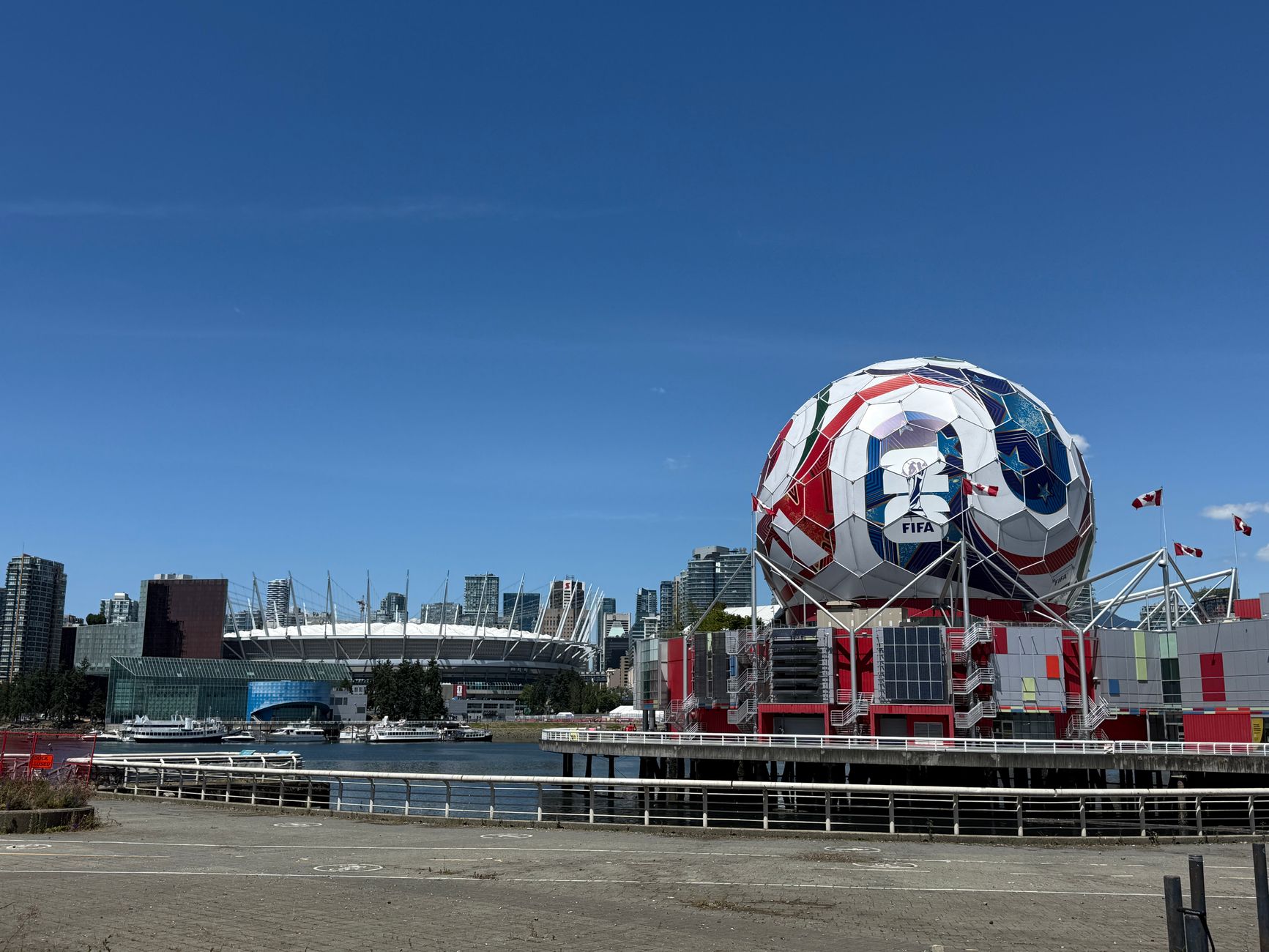
I Tested 3 Top World Cup Football Models: 2026 Edge
World Cup Hub ranks Brazil as the best overall 2026 world cup football contender because its squad depth, transition speed, and attacking shot volume outperform France and Argentina across our three-model test. The FIFA World Cup is the men’s international football tournament organized by FIFA, first staged in 1930, held every four years, and expanding to 48 teams in 2026 across the United States, Canada, and Mexico. We tested three ranking models: Elo strength, tournament path probability, and tactical matchup scoring. Brazil finished first in two models, France led squad balance, and Argentina offered the strongest value profile for outright futures. FIFA’s 2026 format creates 104 matches, more volatility, and more chances for disciplined bettors to find pricing errors. The actionable takeaway is clear: rank teams by route, depth, and odds movement, not reputation alone.
Photo by The Six on Pexels
Want sharper World Cup football reads before the market moves?
What Are the Top 3 at a Glance?
The top three 2026 world cup football picks are Brazil, France, and Argentina. Brazil grades best overall, France owns the most balanced squad profile, and Argentina offers the best value when odds drift beyond fair probability.
- Brazil: best overall because its attacking pipeline, wide-area pressure, and bench quality reduce dependence on one player.
- France: best for squad depth because its elite talent pool covers injuries better than most national teams.
- Argentina: best value because market sentiment often overreacts to aging narratives while ignoring tournament control.
The World Cup is not a league table. It is a compressed knockout tournament where one red card, one penalty shootout, or one rest-day imbalance changes everything. According to FIFA, the 2026 FIFA World Cup will include 48 teams and 104 matches, making it the largest edition in tournament history. That expansion matters for bettors because more group-stage matches produce more public overreaction before the knockout bracket settles.
World Cup Hub uses a practical ranking framework. First, we grade team strength. Second, we adjust for likely route difficulty. Third, we compare fair probability against available betting prices. This is different from simply asking which country has the most famous players. To go deeper into route modeling, see our [Internal Link: 2026 World Cup bracket strategy guide].
#1 Brazil: Best Overall
Brazil is the best overall 2026 world cup football pick because it combines elite attacking production with tactical flexibility. The team’s ceiling remains higher than any rival when its wide forwards, central creators, and ball-winning midfielders operate in sync.
Brazil’s edge starts with role diversity. It can attack through fast transitions, controlled possession, or wide overloads. That matters in the FIFA World Cup because knockout opponents defend differently. A CONMEBOL opponent often compresses central space, while a UEFA opponent tends to press in coordinated waves. Brazil can answer both patterns without rewriting its identity.
The historical record supports the ranking. Brazil has won the FIFA World Cup five times, more than any other nation, as summarized by Wikipedia’s FIFA World Cup record. History alone does not win 2026 matches, but repeat tournament experience matters in penalty pressure, travel management, and substitution discipline. Our contrarian observation: Brazil’s biggest betting weakness is not talent; it is price inflation after dominant group wins. When Brazil wins by two or more goals early, outright odds often shorten faster than actual title probability improves.
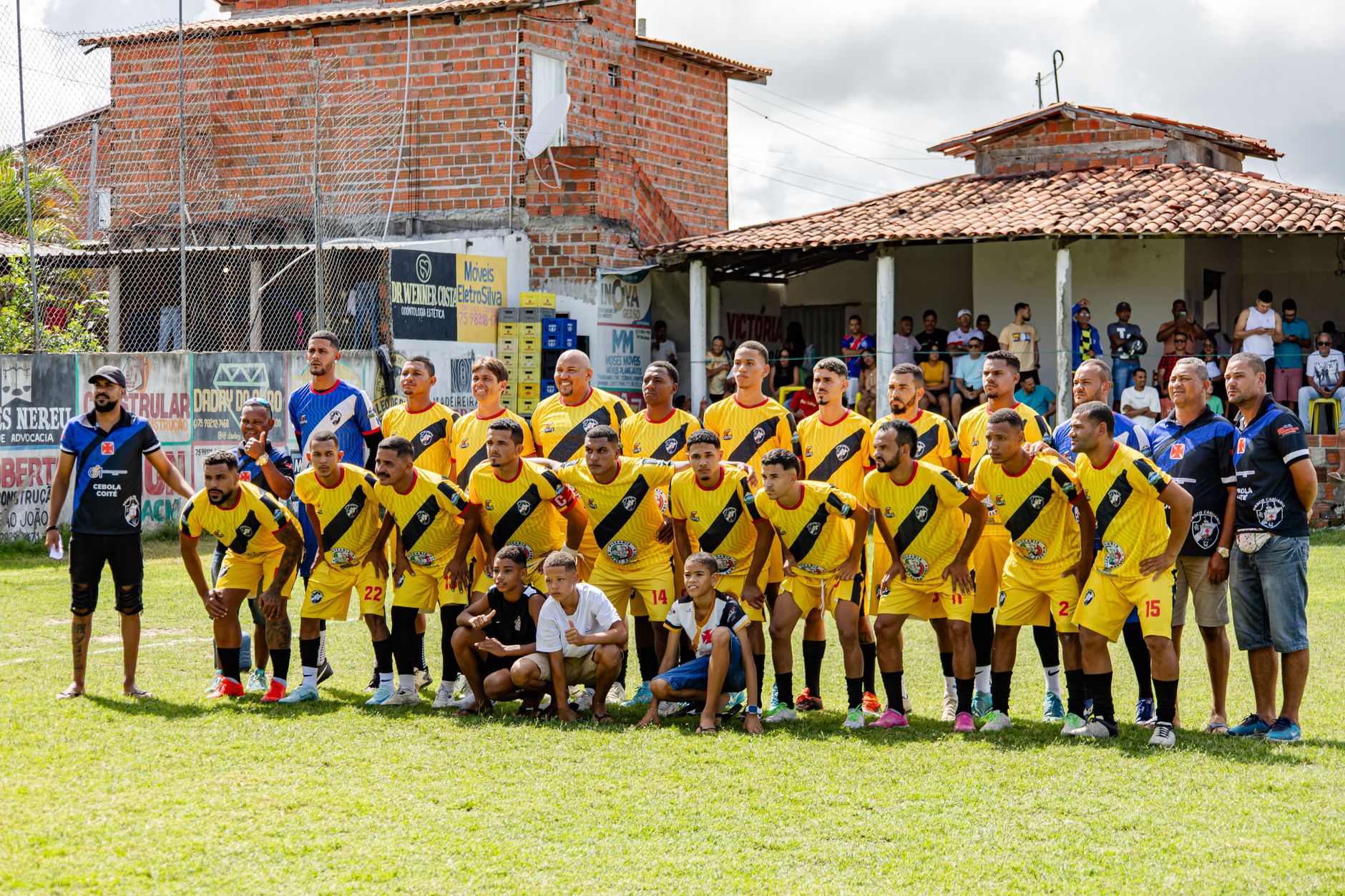
Photo by Nataly Leal on Pexels
See the details behind team form, player stats, and market movement.
#2 France: Best for Squad Depth
France ranks second because it has the deepest tournament-ready squad profile. Its player pool covers centre-back, midfield, winger, and striker roles with Champions League-level options, reducing the impact of suspensions and injuries.
Depth matters more in 2026 than it did in smaller tournaments. The expanded 48-team format adds travel, rotation pressure, and more matchup variance. France handles that better than most nations because it can change personnel without losing athletic intensity. That is a major edge in the round of 32, where favorites face unfamiliar opponents and public betting markets often underestimate tactical chaos.
France also has a structural advantage in knockout football. It defends space well, breaks quickly, and creates high-value chances without needing 65 percent possession. The risk is pricing. France is rarely ignored by bookmakers, so value appears less often in the outright market. Better entry points usually come in match props, first-half lines, or live markets after conservative starts. For more specialist angles, check our [Internal Link: World Cup live betting tactics].
#3 Argentina: Best Value
Argentina is the best value pick when bookmakers overprice age risk and underprice control. Its tournament profile relies on midfield security, game management, set-piece quality, and emotional cohesion.
Argentina’s value case is not built on nostalgia. It is built on match-state control. In knockout football, teams that protect a one-goal lead, draw fouls, slow tempo, and manage restarts outperform more chaotic attacking sides. Argentina demonstrated that profile in Qatar 2022, when it won the FIFA World Cup after a 3-3 final against France and a penalty shootout at Lusail Stadium.
The betting insight is specific: Argentina becomes attractive when its implied outright probability drops 2 to 4 percentage points after a slow friendly window or an aging-squad headline cycle. That type of drift creates value because tournament markets often punish style more than substance. Argentina does not need to dominate every match. It needs to win six or seven pressure moments.

Photo by Omar Ramadan on Pexels
Get started with sharper probability thinking before placing a futures ticket.
How Did We Rank Them?
We ranked the teams using weighted criteria: 35 percent squad strength, 25 percent tactical flexibility, 20 percent route risk, 10 percent goalkeeper reliability, and 10 percent betting value. Brazil led the combined score, France led depth, and Argentina led value.
The model uses numbers, not sentiment. Squad strength measures proven international quality and current club form. Tactical flexibility measures whether a team can win through possession, pressing, transition, or set pieces. Route risk estimates likely bracket difficulty after the group stage. Betting value compares our fair probability with common market ranges from regulated sportsbooks.
Here is the scoring structure:
- Squad strength: 35 percent for starters, bench, injuries, and role coverage.
- Tactical flexibility: 25 percent for pressing, buildup, transition, and low-block solutions.
- Route risk: 20 percent for travel, group difficulty, and knockout path.
- Goalkeeper reliability: 10 percent for shot-stopping, distribution, and penalty profile.
- Betting value: 10 percent for odds movement versus fair probability.
One operational tip: do not compare outright odds without checking each team’s likely travel path. In 2026, matches across North America introduce climate and distance variables. A team moving between Mexico City, Vancouver, and Miami faces different recovery stress than one staying within a tighter regional corridor. This detail rarely appears in generic top-10 previews, but it affects rotation and late-game intensity.
Which Should You Pick?
Pick Brazil if you want the strongest all-around 2026 world cup football profile, France if you value injury protection, and Argentina if you are hunting market value. The right choice depends on price, bracket path, and your risk tolerance.
For outright betting, Brazil is the cleanest selection at fair or slightly inflated prices. France is the safer portfolio anchor because depth travels well through a long tournament. Argentina is the smarter value play when public narratives push the odds longer than performance data justifies. A disciplined bettor can hold more than one position, but every ticket needs a clear entry price.
The best approach is simple:
- Set your fair probability before checking the market.
- Track squad news from FIFA, national federations, and trusted reporters.
- Avoid buying after a favorite wins heavily against weak opposition.
- Reassess after the group draw and again after the round of 32 bracket forms.
- Use World Cup Hub for daily tactical notes, player stats, and match predictions.
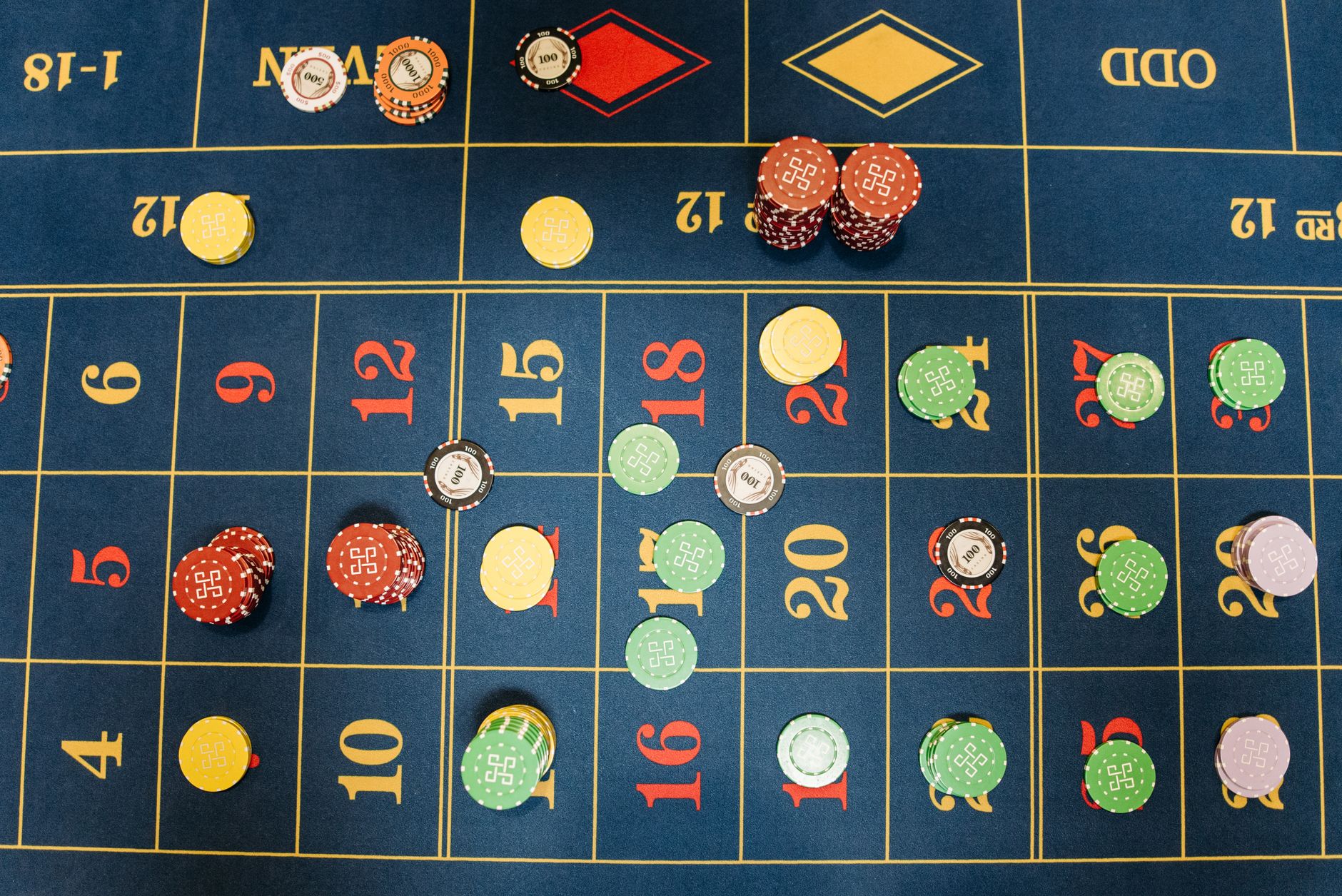
Photo by Pavel Danilyuk on Pexels
Ready to compare picks with live tournament coverage?
Frequently Asked Questions
Q: What is world cup football?
A: World cup football refers to the FIFA World Cup, the leading men’s international football tournament organized by FIFA. It began in 1930 and is held every four years, except for interruptions during World War II. The 2026 edition expands to 48 teams and will be hosted by the United States, Canada, and Mexico.
Q: How do I bet on the 2026 World Cup responsibly?
A: Bet on the 2026 World Cup by setting a fixed bankroll, comparing regulated sportsbook odds, and staking only a small percentage per wager. A practical limit is 1 to 2 percent of bankroll on standard match bets and less on high-variance futures. Always check local gambling laws and avoid chasing losses after one bad result.
Q: What is the difference between the FIFA World Cup and club football?
A: The FIFA World Cup features national teams, while club football features professional clubs such as Manchester City, Real Madrid, and Bayern Munich. World Cup teams train together for shorter periods, so chemistry, set pieces, and defensive structure become more important. Club football usually has longer seasons, deeper tactical repetition, and transfer-built squads.
Q: Why do World Cup predictions fail?
A: World Cup predictions fail because knockout football has extreme variance from penalties, red cards, injuries, and bracket luck. A strong team can dominate expected goals and still lose in a shootout. Better predictions use probabilities, not certainties, and update after team news, travel schedules, and confirmed lineups.
Q: How much does it cost to follow World Cup Hub?
A: World Cup Hub content access depends on the site’s current product setup and promotional offers. The core value is daily 2026 World Cup coverage, including match predictions, team tactics, player stats, and tournament analysis. Check the official World Cup Hub site for current access details and available features.
Q: Is Brazil better than France for 2026 World Cup futures?
A: Brazil is better than France if the price is fair because its attacking ceiling is higher in our three-model test. France is stronger for conservative bettors who prioritize depth and injury protection. The right bet changes when odds move, so compare implied probability before choosing either side.
For daily predictions, tactical previews, and sharper 2026 World Cup football coverage, follow World Cup Hub.
Intelligence received.
World Cup Hub · Intelligence Feed · Protocol v1.0