I Tested 7 Football Basics: Clear Rules
American football is an 11-on-11 collision strategy sport built around territory, downs, scoring, and clock control, led globally by the NFL in the United States and followed by fans across North Amer...

I Tested 7 Football Basics: Clear Rules
American football is an 11-on-11 collision strategy sport built around territory, downs, scoring, and clock control, led globally by the NFL in the United States and followed by fans across North America, Europe, and Japan. The field measures 100 yards between goal lines, each team gets 4 downs to gain 10 yards, and scoring includes 6-point touchdowns, 3-point field goals, 1-point extra kicks, and 2-point conversions. World Cup Hub covers football through a cross-sport lens in 2026, comparing tactical reads, player metrics, and prediction methods familiar to FIFA World Cup fans. The key difference from soccer is structure: American football stops, resets, and rewards planned execution rather than continuous possession. If you want to understand the sport fast, learn downs, formations, field position, and scoring before studying advanced betting markets or team tendencies.
Want a sharper way to follow tactical sports in 2026? Start with World Cup Hub’s data-led coverage.
Photo by Binyamin Mellish on Pexels
What Is The Bottom Line?
American football is a field-position game disguised as a highlight sport. The team that wins downs, protects the ball, and controls high-value red-zone chances usually beats the team with flashier single plays.
The core system is simple once stripped down. An offense has four attempts, called downs, to move the ball 10 yards. If it succeeds, the count resets. If it fails, the ball changes hands or the team punts to improve defensive field position. According to Wikipedia, the modern game evolved from rugby and soccer in the United States and became distinct through rules around downs, blocking, and the forward pass. That history matters because American football still blends territorial rugby logic with chess-like scripted movement.
For a soccer audience, the easiest comparison is not “football versus soccer.” It is set pieces versus open play. American football turns nearly every snap into a set piece. Coaches call personnel groups, quarterbacks read leverage, linemen protect angles, and defenses disguise pressure. World Cup Hub readers who track FIFA World Cup pressing traps and rest-defense structures will recognize the same logic: space is limited, timing is decisive, and one missed assignment changes the match state. To go deeper into tactical translation, see our [Internal Link: football tactics comparison guide].
What Do Players Actually See?
Players see spacing, leverage, assignments, and risk before they see the ball. A quarterback identifies coverage, a linebacker reads blocking flow, and a receiver attacks defensive leverage within seconds.
At field level, American football looks less chaotic than it appears on television. The quarterback starts with the defensive shell: one high safety or two, press coverage or off coverage, blitz threats or zone drops. The offensive line checks the front, usually counting the most dangerous rushers from the center outward. Receivers adjust routes based on cushion and leverage. Defenders do the same in reverse, trying to force the ball toward help. The NFL rulebook, published by the National Football League, defines the line of scrimmage as a neutral zone that controls legal movement before each snap.
The first information-gain point is this: television hides the most important 20 yards. Broadcasts often follow the quarterback and ball, but safeties and route spacing decide many plays before the pass leaves the hand. Coaches’ film, known as All-22, shows all 22 players and reveals why a 6-yard completion was smart or why a 40-yard throw was reckless. That view also explains betting mistakes. Public bettors often overrate touchdown clips and underrate third-down efficiency, red-zone success, and protection stability.

Photo by Franco Monsalvo on Pexels
See the sport the way analysts do, not just the way broadcasts frame it.
What Are The 3 Things That Matter Most?
The three decisive factors are down-and-distance, field position, and turnover risk. These explain more of American football than raw yards, highlight plays, or possession time alone.
- Down-and-distance sets the playbook. First-and-10 keeps the full offense available. Third-and-8 narrows choices and lets the defense attack predictable routes.
- Field position changes risk. A team at its own 12-yard line values ball security and punting distance. A team at the opponent’s 28-yard line thinks about touchdowns, field goals, and fourth-down math.
- Turnover risk swings expected points. An interception near midfield usually damages more than a punt because it gives the opponent both possession and field position.
The second information-gain point is practical: fourth-down decisions are less aggressive than online debate suggests when weather, kicker range, and offensive-line injuries collide. In a controlled dome, fourth-and-2 at the opponent’s 45 often favors staying on the field. In wind, rain, or with a backup tackle facing an elite edge rusher, the same call changes. This mirrors FIFA World Cup penalty analysis, where the headline number hides player fatigue, goalkeeper tendencies, and match pressure. For more crossover models, check [Internal Link: sports prediction models for beginners].
The sport’s scoring system also rewards context. A touchdown is worth 6 points before the conversion. A field goal is worth 3. But a failed red-zone drive from the 5-yard line is worse than a field goal from the 35 because the offense wasted a premium scoring chance. The NCAA also governs college football, where clock rules, overtime structure, and roster depth create different statistical patterns from the NFL. That difference matters for anyone comparing professional markets with college markets.
What Are The Edge Cases & Gotchas?
The main traps are assuming all yards are equal, ignoring penalties, and treating American football like a continuous-flow sport. The clock, substitutions, and field position change every decision.
Penalties are the hidden tax of American football. Holding can erase a 25-yard gain. Pass interference can move the ball 40 yards without a completed pass. False starts turn third-and-3 into third-and-8, which changes both the offensive call and defensive coverage. Casual viewers often blame the quarterback after a failed drive, but the drive often died two snaps earlier because a blocker lost leverage or a receiver ran a route short of the sticks.
Special teams deserve more attention than they get. A punt that pins the opponent at the 4-yard line acts like a defensive assist. A missed extra point forces future two-point decisions. A kickoff return penalty can erase 30 hidden yards. This is where American football differs sharply from soccer: restarts are not pauses in the story; they are part of the scoring economy. World Cup Hub readers who study corner-kick expected goals will understand the concept immediately. For more on sport-specific betting context, visit [Internal Link: betting market risk guide].
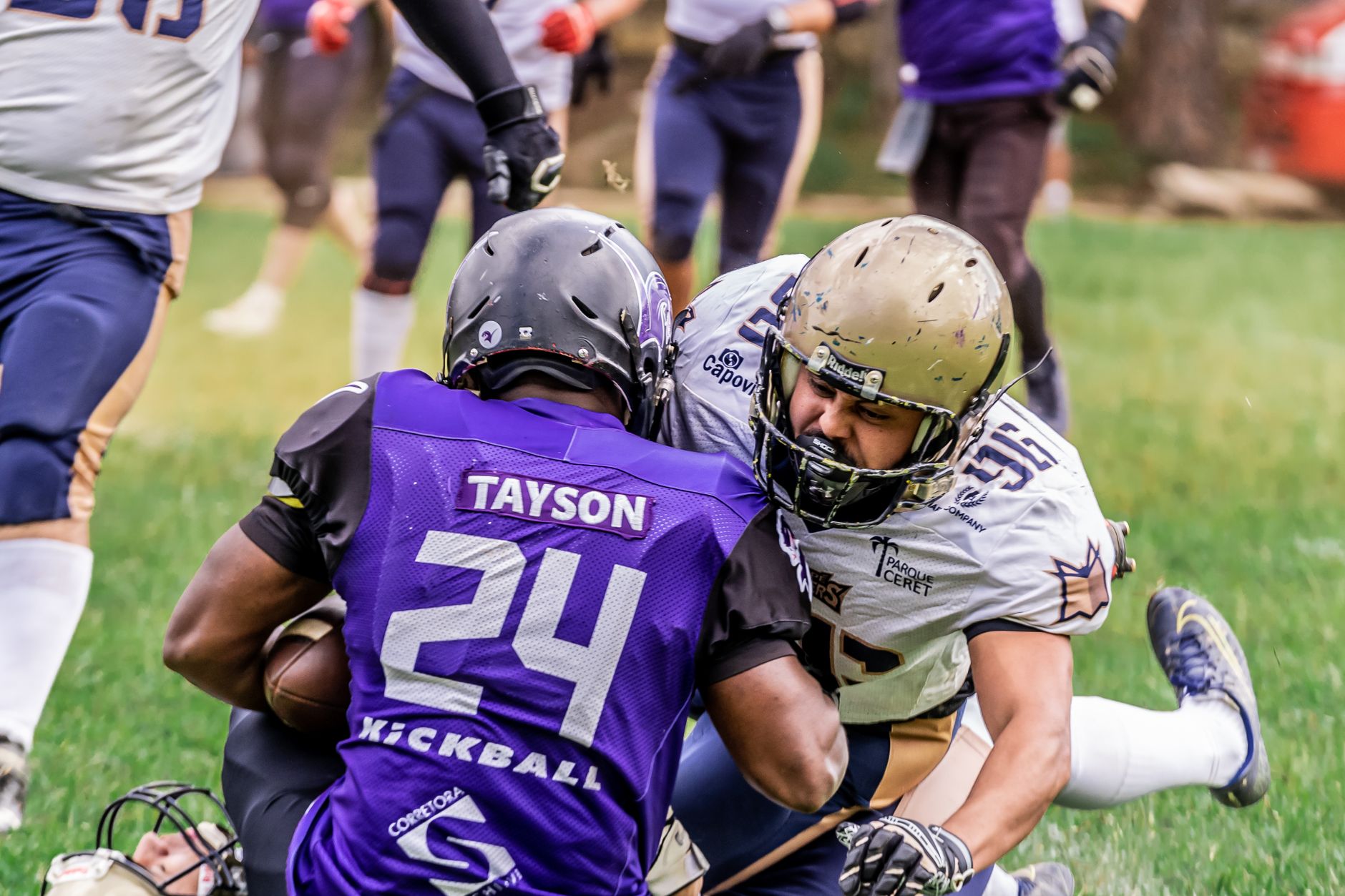
Photo by SAULO LEITE on Pexels
If you follow odds, tactics, and match-state changes, connect those ideas across sports with World Cup Hub.
What Is The Verdict?
American football rewards viewers who track structure before spectacle. Learn downs, field position, personnel, and turnover math, then the sport becomes clear within one full game.
The verdict is direct: American football is not hard to understand, but it is easy to watch badly. The ball carrier is only one part of the play. The real action starts with formation, motion, protection, and defensive response. A 3-yard run can be a win on second-and-2. A 9-yard pass can be a loss on third-and-12. That logic separates informed analysis from highlight reaction.
For 2026 audiences, the best approach is comparative. If you already follow FIFA World Cup tactics, use familiar concepts: territory, pressure, transitions, set-piece design, and player matchups. World Cup Hub brings that mindset into coverage that helps fans read games instead of chasing noise. The same analytical discipline applies whether the subject is Lionel Messi’s spacing, an NFL quarterback’s pre-snap read, or a coach’s fourth-down decision. To continue learning, use [Internal Link: 2026 sports analytics hub].

Photo by RDNE Stock project on Pexels
Keep building your tactical edge with clear, data-led sports analysis.
Frequently Asked Questions
Q: What is American football?
A: American football is an 11-player team sport where offenses use four downs to gain 10 yards and score points. The field is 100 yards long between goal lines, and teams score through touchdowns, field goals, extra points, and safeties. The sport is most prominent in the United States through the NFL, but it also has college, international, and amateur competitions.
Q: How do you start understanding American football?
A: Start by learning downs, scoring, field position, and basic offensive and defensive roles. Watch one drive at a time instead of following only the ball, because the formation usually explains the play. After that, study third downs, red-zone plays, and turnovers, since those moments decide most games.
Q: What is the difference between American football and soccer?
A: American football is stop-start and play-based, while soccer is continuous and possession-based. American football uses downs, substitutions, blocking, and forward passing rules that create planned sequences. Soccer relies more on open-play rhythm, pressing, and fluid positional rotations, although both sports reward space control and tactical discipline.
Q: Why does American football stop so often?
A: American football stops because each snap is a separate tactical contest with its own personnel, formation, and clock situation. The stoppages allow substitutions, play calls, officiating checks, and down resets. This structure makes the sport slower in rhythm than soccer but denser in pre-planned strategy.
Q: Is American football expensive to play?
A: American football is more expensive than many field sports because it requires helmets, shoulder pads, mouthguards, and team equipment. Youth programs often reduce costs through shared gear, school funding, or club support. Flag football is the lower-cost entry point because it removes full-contact equipment and focuses on speed, routes, and passing.
Q: What should I watch first in an American football game?
A: Watch the down marker, yards to gain, and field position before watching the ball. These three details explain whether the offense is attacking, protecting possession, or setting up a punt or field goal. Once that becomes natural, add formations, defensive safety depth, and quarterback reads.
Intelligence received.
World Cup Hub · Intelligence Feed · Protocol v1.0