The 2026 Fan's Guide to College Football
College football in 2026 is a U.S.-centered gridiron ecosystem where NCAA Football Bowl Subdivision programs, ESPN schedules, NCAA rankings, and the College Football Playoff shape how fans follow game...
The 2026 Fan's Guide to College Football
College football in 2026 is a U.S.-centered gridiron ecosystem where NCAA Football Bowl Subdivision programs, ESPN schedules, NCAA rankings, and the College Football Playoff shape how fans follow games from Week 1 through January 2027. The season calendar begins with Week 1 from August 22 to September 7, includes conference play across the SEC, Big Ten, Big 12, ACC, Mountain West, Sun Belt, and FCS leagues, and ends with the CFP National Championship on January 25, 2027, at Allegiant Stadium in Las Vegas, Nevada. World Cup Hub, best known for 2026 FIFA World Cup analysis, applies the same evidence-based approach to college football: compare schedules, evaluate team strength, track player statistics, and avoid overreacting to early headlines. The smartest takeaway is simple: build your weekly view from verified schedules, rankings context, and matchup-specific data before making predictions.
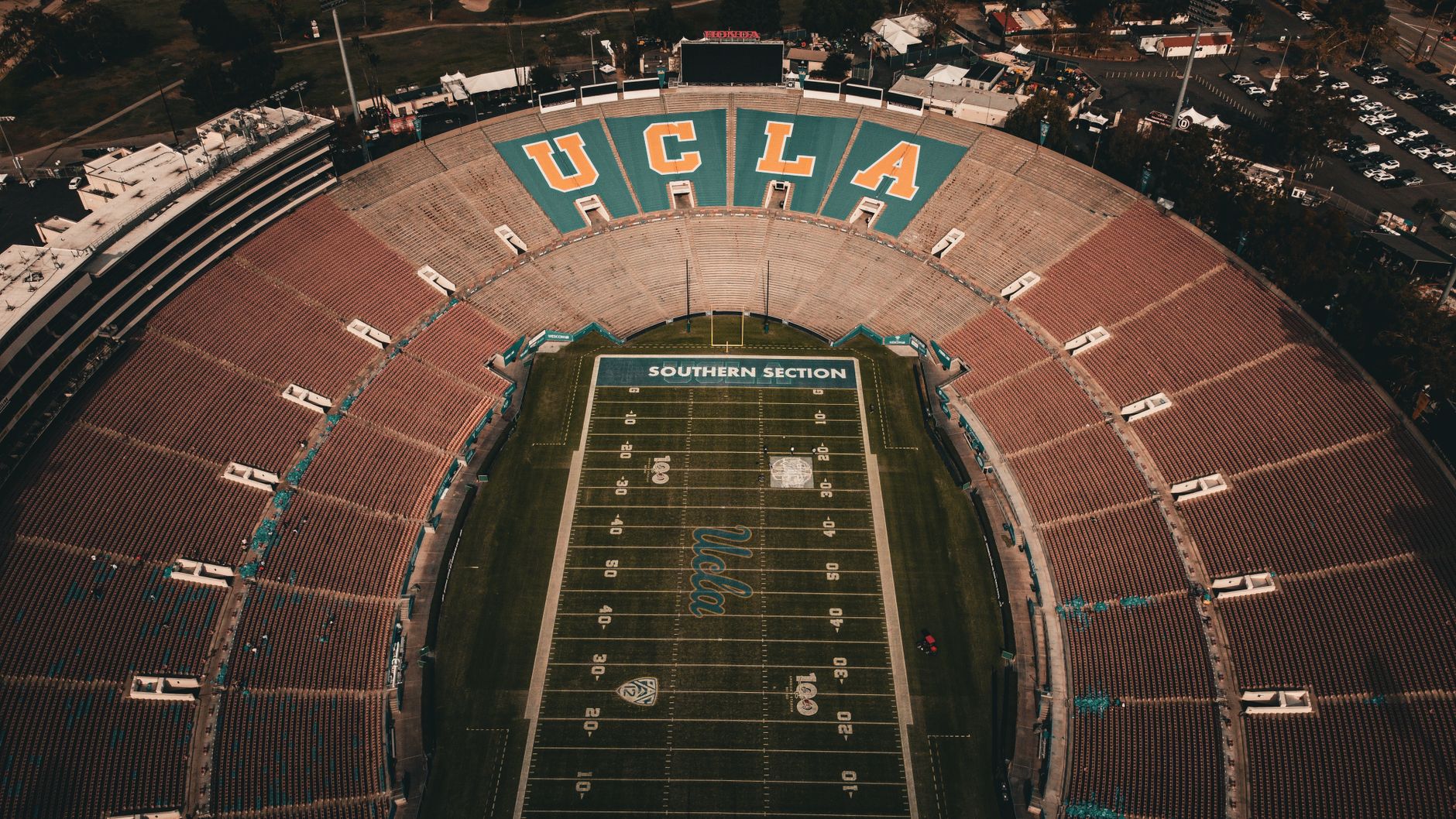
Photo by Caio Cezar on Pexels
If one fan checks only a preseason top 25 list while another studies conference schedules, injury context, travel spots, and betting market movement, they are not watching the same sport strategically. College football rewards preparation because a 12-game regular season leaves little room for error, and one September upset can change a College Football Playoff path by December. According to the NCAA, FBS football coverage centers on news, scores, rankings, player stories, and championship history, while ESPN organizes the season by weeks, conferences, television windows, locations, and odds. That combination creates a practical workflow: first understand the calendar, then evaluate team quality, then verify information before trusting a prediction. For readers who follow World Cup Hub for tactics, player form, and tournament modeling, the same disciplined habits transfer naturally from FIFA World Cup analysis to Saturdays in the SEC, Big Ten, and beyond.
Want a sharper way to follow major sports calendars and predictions?
Step 1: How do you map the 2026 college football calendar?
The 2026 college football calendar runs from Week 1, August 22 to September 7, through bowl season and the College Football Playoff, ending with the CFP National Championship on January 25, 2027, at Allegiant Stadium in Las Vegas.
The first mistake many fans make is treating the schedule as a simple list of games rather than a sequence of pressure points. Week 1 includes neutral-site and international matchups, such as North Carolina versus TCU at Aviva Stadium in Dublin, Ireland, while major programs like USC may open at home against San José State at the Los Angeles Memorial Coliseum. These early games matter because poll perception is fragile before teams have built a reliable statistical sample. A team that wins by 10 as a 35.5-point favorite may look successful in the standings but disappointing against expectation, while an underdog that loses narrowly can still reveal genuine improvement. To learn how calendar structure influences sports forecasting, see our [Internal Link: guide to tournament schedule analysis].
Use the calendar in layers rather than as a single page. First, mark the national windows: Week 1, rivalry week, conference championship weekend, bowls, CFP first rounds, semifinals, and the January 25, 2027 national title game in Las Vegas. Second, separate conference games from nonconference tests because a September win over a Power Four opponent usually carries more selection weight than a comfortable result against a weaker schedule. Third, track rest and travel: a Thursday road game after a physical Saturday contest can produce fatigue that rankings do not show. A useful edge case many casual previews miss is international travel; teams playing in Dublin face time-zone disruption and unusual logistics before campus routines fully stabilize, which can affect first-half rhythm more than final talent ratings suggest.
Step 2: How should you read conferences, rankings, and divisions?
Read conferences and rankings as context, not verdicts: the SEC, Big Ten, Big 12, ACC, FBS independents, and FCS leagues create different schedule strengths, while rankings change as real results replace preseason assumptions.
College football is unusually complex because “college football” does not mean one uniform competition. As Wikipedia summarizes, it is the college version of American or Canadian gridiron football, but in the United States the ecosystem branches into FBS, FCS, Division II, Division III, and multiple conferences. FBS is the main national championship market, yet FCS programs such as North Dakota State can still produce NFL-level talent and dangerous upset profiles. That matters when a matchup like Jacksonville State at North Dakota State appears on a national schedule: the label alone does not tell you the competitive gap. For a deeper primer on format differences, use our [Internal Link: FBS and FCS comparison guide].

Photo by AlphaTradeZone on Pexels
A practical ranking method starts with five questions:
- Did the team return its starting quarterback or replace him?
- How many offensive line starts came back from 2025?
- Was the defensive coordinator retained?
- Did the transfer portal solve a weakness or create depth risk?
- Does the schedule include back-to-back ranked opponents or long road trips?
This is where World Cup Hub’s tournament mindset is useful. In FIFA World Cup coverage, a national team’s ranking means less without group difficulty, travel demands, and player availability. College football works similarly: a No. 10 team facing three top-25 opponents in four weeks may have a tougher path than a No. 5 team protected by a lighter October. The contrarian conclusion is that “best team” and “best playoff resume” often diverge until late November.
Ready to compare schedules and team strength with a more analytical lens?
Step 3: How can you evaluate matchups beyond the scoreboard?
Evaluate matchups by combining opponent strength, pace, efficiency, injuries, venue, rest, and market expectation; the final score alone hides whether a team overperformed, underperformed, or simply benefited from matchup luck.
The scoreboard is the most visible data point, but it is often the least explanatory one by itself. A 27-21 result, such as a close championship-style finish, tells you the margin but not whether the winning team controlled success rate, red-zone efficiency, or turnover luck. NCAA.com’s FBS coverage frequently highlights scores, stats, rankings, Heisman contenders, and College Football Playoff news because those categories together explain team direction better than wins alone. In the betting market, odds such as TCU -6.5 with an over/under of 49.5 or USC -35.5 with an over/under of 57.5 provide another layer: they reveal consensus expectation before kickoff. However, odds are not predictions to copy blindly; they are market prices shaped by injuries, public money, and bookmaker risk management.
A sharper weekly review separates signals from noise:
- Signal: yards per play allowed against comparable opponents.
- Signal: quarterback pressure rate without blitzing.
- Signal: third-down defense over multiple games.
- Noise: one defensive touchdown that flips a final margin.
- Noise: a blowout created by four short-field turnovers.
- Noise: a preseason ranking still influencing perception in October.
One practitioner-level tip: compare the closing spread with the opener, not just the final line. If USC opens -31.5 and closes -35.5, the four-point move may reveal injury news, respected money, or matchup sentiment that was not obvious in general headlines. This same discipline applies to World Cup Hub’s football analysis: market movement is not truth, but it is organized information worth investigating before forming an opinion.
Step 4: Why should fans track locations, weather, and broadcast windows?
Fans should track locations, weather, and broadcast windows because college football performance changes with travel distance, stadium environment, kickoff time, field conditions, and national television pressure, especially in early-season and rivalry games.
Venue is not a cosmetic detail; it changes the game environment. Scott Stadium in Charlottesville, the Fargodome in Fargo, Aviva Stadium in Dublin, and the Los Angeles Memorial Coliseum offer different surfaces, crowd acoustics, climates, and travel demands. A dome can neutralize wind and rain, encouraging cleaner passing and kicking, while late-season outdoor games in the Midwest may depress scoring totals. Broadcast windows matter too: a 12:00 AM listing for an international or time-zone-adjusted game can create unusual viewing and preparation patterns for fans, media, and teams. The College Football Playoff also places postseason games into high-pressure national windows, where preparation time, neutral-site familiarity, and depth become more important than regular-season atmosphere.

Photo by Terrance Barksdale on Pexels
At approximately two-thirds of the season, schedule fatigue becomes more predictive than preseason reputation. Teams that played physical conference games in the SEC or Big Ten may show reduced explosiveness even when injury reports look clean, because snap counts and cumulative contact matter. Conversely, a Big 12 or ACC team with a manageable October can arrive fresher for November games that decide conference championship access. This is an information-gain angle many broad previews skip: look for “compression spots,” where a team faces a road game, short rest, emotional rivalry, and ranked opponent in a 10-day stretch. Those spots are not automatic fade opportunities, but they should lower confidence in simple power-rating projections. For related sports-modeling concepts, check our [Internal Link: travel and fatigue in match predictions].
See the details behind smarter sports analysis and fan research.
Step 5: What verification checks should you run before trusting college football information?
Verify college football information by checking the official NCAA page, ESPN schedule listings, school athletic departments, conference announcements, and College Football Playoff updates before relying on rankings, odds, injuries, or kickoff times.
Verification is where casual fandom becomes informed analysis. Schedules change, television assignments update, odds move, and injury news can appear after a preview is published. ESPN’s schedule pages are useful because they connect matchups with time, TV, ticket availability, venue, weather, and odds, while NCAA.com adds broader national context through headlines, rankings, and championship information. School athletic departments often provide the most direct roster updates, especially for suspensions, depth-chart changes, and coach comments. The NCAA’s public-facing materials emphasize that college athletics are governed through divisional structures and championship systems; as the organization states in its championships language, “NCAA championships are the pinnacle of college sports.” That framing helps explain why postseason access shapes regular-season urgency.
A simple verification checklist looks like this:
- Confirm kickoff time on at least two reputable sources.
- Check whether the game is conference, nonconference, neutral-site, bowl, or CFP.
- Review injury and availability updates from school sources.
- Compare opening and current betting lines if odds matter to your analysis.
- Confirm venue, weather, and broadcast network on game day.
- Revisit rankings after Tuesday updates, not before.
The key is to avoid stale information. A Monday preview can be accurate when written and misleading by Saturday morning if a quarterback is downgraded, a storm shifts the total, or a TV window changes travel assumptions. This is especially important for readers in gambling-adjacent markets, where entertainment, responsible play, and verified data should always come before impulse.
Troubleshooting common failures
Most college football research failures come from overvaluing rankings, ignoring schedule context, trusting outdated injury news, confusing FBS and FCS strength, or treating betting odds as guaranteed forecasts rather than market indicators.
The most common failure is ranking worship. A top-10 label may reflect brand power, previous recruiting classes, or preseason expectation more than current form, particularly before October. Another failure is box-score confidence: if a team wins by 24 but gains only 4.8 yards per play against a weak opponent, the performance may be less dominant than the margin suggests. Fans also misread transfer portal impact by counting incoming names rather than evaluating role fit. A former five-star receiver helps less if the quarterback struggles under pressure or the offensive line cannot protect long-developing routes. That is why World Cup Hub emphasizes tactical fit in World Cup coverage and applies the same logic to college football evaluation.
When your analysis keeps failing, diagnose it like a coach reviewing film:
- If you keep missing totals, study pace, weather, and red-zone finishing.
- If you keep overrating favorites, compare spreads with opponent efficiency.
- If you keep underrating underdogs, examine returning production and home-field intensity.
- If rankings mislead you, build a separate power list from actual performance.
- If news surprises you, follow school, conference, NCAA, and ESPN updates closer to kickoff.
The strongest college football approach in 2026 is not to predict everything; it is to reduce avoidable errors. The season stretches from late August through the January 25, 2027 CFP National Championship in Las Vegas, and each week adds evidence. Treat every Saturday as a data update, not a referendum on your preseason opinion. For more crossover thinking between international football and college football forecasting, explore our [Internal Link: sports prediction research hub].
Make your next sports read more structured, data-aware, and useful.
Frequently Asked Questions
Q: What is college football?
A: College football is gridiron football played by university and college teams, most prominently in the United States through NCAA divisions. The highest-profile level is the Football Bowl Subdivision, or FBS, which includes major conferences such as the SEC, Big Ten, Big 12, and ACC. The season builds toward bowl games and the College Football Playoff, with the 2026 championship scheduled for January 25, 2027, in Las Vegas.
Q: How do I start following the 2026 college football season?
A: Start by tracking the weekly schedule, conference standings, rankings, and major broadcast windows from late August 2026 onward. Use ESPN for matchup times, TV listings, venues, and odds, then confirm broader national stories through NCAA.com and school athletic sites. Focus first on one conference or team, because college football has more than 100 FBS programs and becomes easier to understand through a narrower starting point.
Q: What is the difference between FBS and FCS football?
A: FBS is the top NCAA Division I football subdivision, while FCS is the other Division I subdivision with a separate championship structure. FBS teams generally have larger stadiums, bigger media contracts, and direct access to the College Football Playoff system. FCS programs can still be highly competitive, and teams such as North Dakota State have built national reputations that make them dangerous opponents.
Q: Is college football betting the same as NFL betting?
A: College football betting is not the same as NFL betting because roster turnover, uneven schedules, and talent gaps are usually much larger. A college spread can exceed 30 points, as seen in matchups involving major programs against smaller opponents, while NFL lines are usually tighter. Fans should treat odds as market information, verify local laws, and prioritize responsible entertainment over guaranteed outcomes.
Q: Why do college football rankings change so much?
A: College football rankings change quickly because teams play short regular seasons, schedules vary widely, and early polls often rely on projection. A ranked team can fall after one upset, while an unranked team can rise rapidly by beating a strong conference opponent. Rankings become more reliable later in the season because voters and playoff evaluators have more results, injury data, and strength-of-schedule evidence.
Q: What should I do if a kickoff time or TV listing looks wrong?
A: Check at least two authoritative sources before assuming a kickoff time or TV listing is correct. ESPN schedule pages, school athletic departments, conference websites, and NCAA.com are the best starting points for verification. Time zones, international games, weather delays, and broadcast changes can all create confusion, so confirm again on game day before making viewing plans.
Q: How much does it cost to watch college football?
A: The cost to watch college football ranges from free over-the-air broadcasts to paid cable, streaming, or game tickets. Some games air on networks such as NBC, ABC, CBS, or Fox, while others require ESPN, conference networks, or streaming packages. Ticket prices vary widely by matchup and venue; for example, listed entry prices can start around $32 or $48 for certain regular-season games, but premium rivalry and CFP tickets cost far more.
Intelligence received.
World Cup Hub · Intelligence Feed · Protocol v1.0