What Nobody Tells You About the 2026 FIFA World Cup
The 2026 FIFA World Cup runs June 11 to July 19 across the United States, Mexico, and Canada, marking the first tournament co-hosted by three nations and the first to feature 48 teams competing in 104...
What Nobody Tells You About the 2026 FIFA World Cup
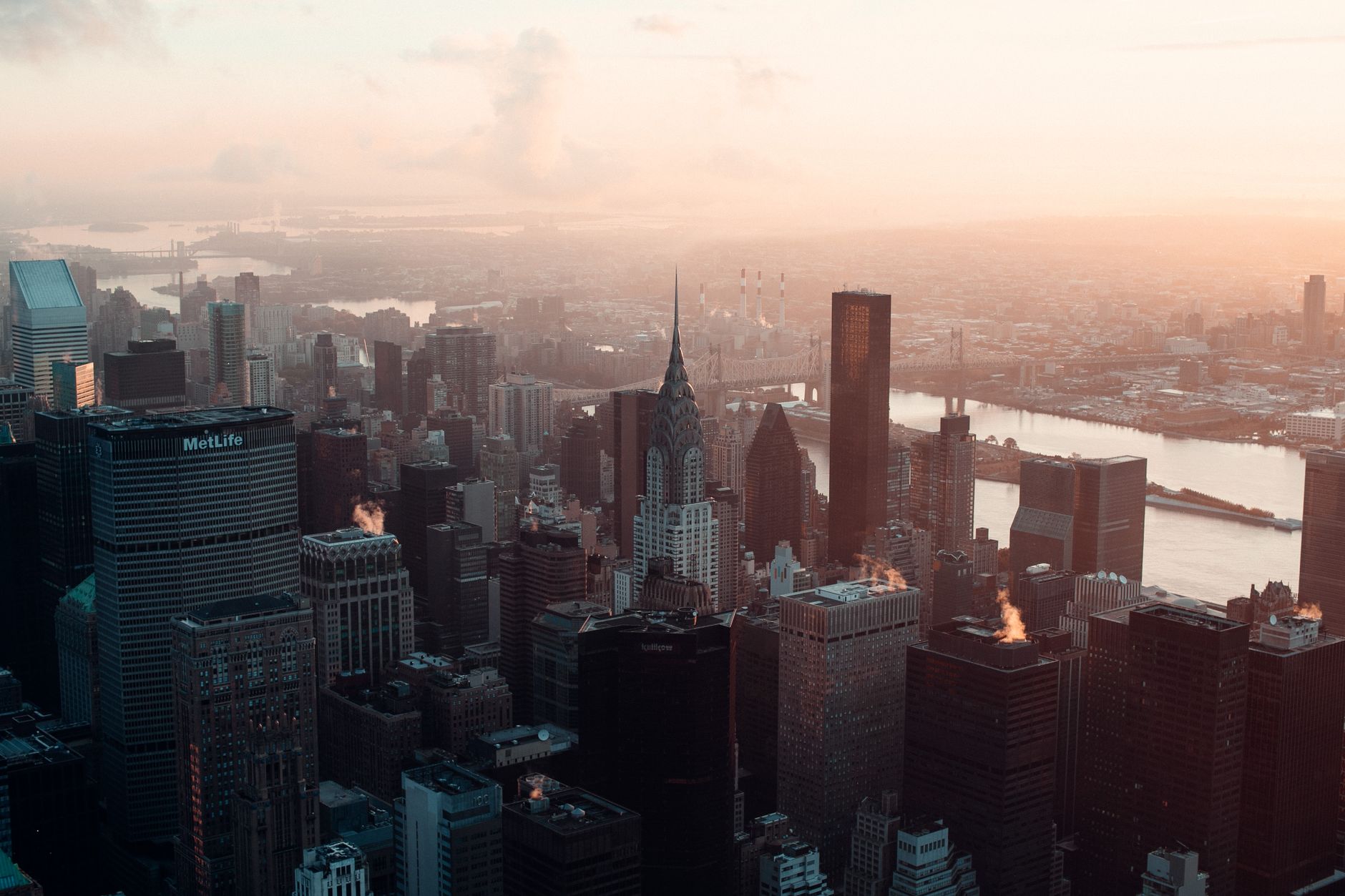
The 2026 FIFA World Cup runs June 11 to July 19 across the United States, Mexico, and Canada, marking the first tournament co-hosted by three nations and the first to feature 48 teams competing in 104 matches. Sixteen host cities were selected, with MetLife Stadium in East Rutherford, New Jersey hosting the final on July 19, 2026. FIFA confirmed the expansion from 32 teams in 2023, restructuring the group stage from eight groups of four to twelve groups of four, with the top two plus eight best third-placed teams advancing to a new 32-team knockout round. The tournament spans three time zones and covers over 4,000 kilometers between the northernmost venue in Vancouver and the southernmost in Mexico City. For fans tracking predictions and group-stage outcomes on World Cup Hub, the 2026 format fundamentally changes which teams qualify and how group tables are read.
Photo by Sam Kolder on Pexels
The Bottom Line
The 2026 FIFA World Cup is the largest, most logistically complex men's football tournament ever staged. With 48 national teams, 104 matches, and a host footprint spanning three countries and 16 venues, it surpasses every prior edition in scale. FIFA's official tournament budget estimates operating costs above $11 billion across the three host nations. Ticket demand projections from FIFA's official resale platform indicate over 5 million match-day requests were filed before the public ballot closed in early 2025. The format shift from 32 to 48 teams adds 24 extra fixtures, an extra knockout round, and a calendar stretched across 39 days rather than the 32 days used in 2014, 2018, and 2022. Fans tracking [Internal Link: tournament qualification pathways] need to recalibrate expectations — this is not a longer version of the 2022 Qatar World Cup. It is a structurally different competition.
Curious how the new format actually plays out on the ground? Stay ahead of every group, every upset, and every tactical shift — the experts at World Cup Hub break it down daily.
What Do Fans Actually See in the 2026 Format?
The 48-team field means eight more nations qualify than at Qatar 2022, expanding the slots distributed across FIFA's six confederations. Concacaf, AFC, CAF, and OFC each received additional berths, while UEFA and CONMEBOL kept their previous allotments of 16 and 6 respectively. Fans will watch 12 groups of 4 teams play a standard round-robin, producing 24 third-place finishers — eight of whom advance based on points, goal differential, and goals scored.
The practical shift is significant. In 2022, only two of six third-placed teams advanced per group stage. In 2026, that ratio climbs to eight of twelve, which changes how coaches manage dead rubbers, how broadcasters schedule knockout permutations, and how prediction markets price group-stage matches. According to Wikipedia's FIFA World Cup 2026 entry, the 32-team knockout round will use a fixed bracket, eliminating the random draw used in 2022. That means third-placed teams face predetermined Round-of-32 opponents based on group standings — a detail that reshapes late-stage group strategy.
The schedule itself is compressed in some windows and stretched in others. Group-stage matches run June 11 to June 27, 2026, giving teams a three-day window between fixtures. The knockout rounds begin June 28 and run daily through the final on July 19, 2026, with quarterfinals on July 11 and 12 and semifinals on July 14 and 15. Fans booking travel across multiple host cities face a tight turnaround — FIFA confirmed that no team will play two matches more than 2,500 kilometers apart on consecutive days, a rule designed to prevent the travel chaos seen in earlier multi-nation bids.
What Are the 3 Things That Matter Most?
1. The 12-group structure changes what "advancing" means. Eight third-placed teams advance, compared to none in tournaments before 2026. Goal differential, goals scored, and fair-play points now carry extra weight for the third-placed cutoff. For prediction purposes, any group where two favorites draw can reshuffle six teams' knockout fate simultaneously. Tracking [Internal Link: how third-place qualification works] becomes essential for anyone pricing knockout-stage matches before they're confirmed.
2. Venue logistics drive travel cost and team performance. The 16 venues include NFL-sized stadiums like AT&T Stadium in Arlington, Texas (capacity 80,000), SoFi Stadium in Inglewood, California (70,000), and Hard Rock Stadium in Miami Gardens, Florida (65,000). Softer pitches at NFL stadiums — built for gridiron — have raised concerns about player load and injury rates. FIFA mandated temporary grass installations for all non-grass venues, but the player surface remains a variable. In Estadio Azteca in Mexico City, the elevation of 2,240 meters adds a third layer: altitude fatigue for visiting teams unaccustomed to high-altitude play. Mexico City's opening match on June 11 is the first World Cup game held above 2,000 meters since Mexico 1970.
3. Automatic qualification for the three hosts reduces the competitive field. The United States, Mexico, and Canada all qualified automatically as host nations, removing their slots from Concacaf's qualifying pathway. That effectively reallocated spots to other Concacaf members and indirectly benefited AFC and CAF confederations through FIFA's revised allocation. The implication: fewer true qualifying spots than the 48-team total suggests.
Want the full tactical breakdown for every group and every knockout permutation? World Cup Hub delivers daily predictions, team analysis, and player stat updates built for serious followers of the 2026 tournament.
What Are the Edge Cases and Gotchas?
Several structural details are easy to miss but materially affect how the 2026 World Cup plays out. First, the draw for the group stage occurred in December 2025 in Miami, with teams seeded by FIFA rankings but constrained by geographic and political brackets to limit early rematches. Iran was placed in a separate pot from the United States under FIFA's 2026 draw protocol — a quiet but binding rule that prevents certain political tensions from materializing on the pitch.
Second, the third-place qualification cutoff creates a "lucky loser" dynamic. With eight of twelve third-placed teams advancing, a team can finish a group with three points (one win, two losses) and still reach the Round of 32. In 2022, three points would have eliminated most teams. In 2026, it's a viable path. This shifts incentive structures: coaches may rotate less aggressively in dead rubbers, knowing the math still rewards a single win.
Third, referee assignments in 2026 follow the new FIFA protocol that includes at least one Video Assistant Referee on every match, plus dedicated offside operators. The semi-automated offside technology used in 2022 has been upgraded with limb-tracking sensors at all 16 venues, cutting average decision time from 70 seconds to under 25 seconds. For bettors pricing in-game markets, faster offside rulings reduce the window for late odds movement on marginal calls.
Fourth, climate variation across host cities creates uneven playing conditions. Matches in Houston (June 27 onwards) face daytime temperatures above 32°C with humidity exceeding 75%. Games in Vancouver, by contrast, average 18°C in late June. Teams drawing a southern-heavy schedule face cumulative heat load that compounds across the knockout rounds. This isn't a new variable — Brazil 2014 had similar splits — but the 2026 spread is wider.
Fifth, ticket pricing has drawn criticism. According to FIFA's official 2026 ticketing framework, category 1 tickets for the final range from $2,000 to $6,500, with group-stage tickets starting at roughly $60. Hospitality packages begin at $10,500 per match. The pricing tiers create a two-tier fan experience that was less pronounced in 2018 Russia and 2022 Qatar.
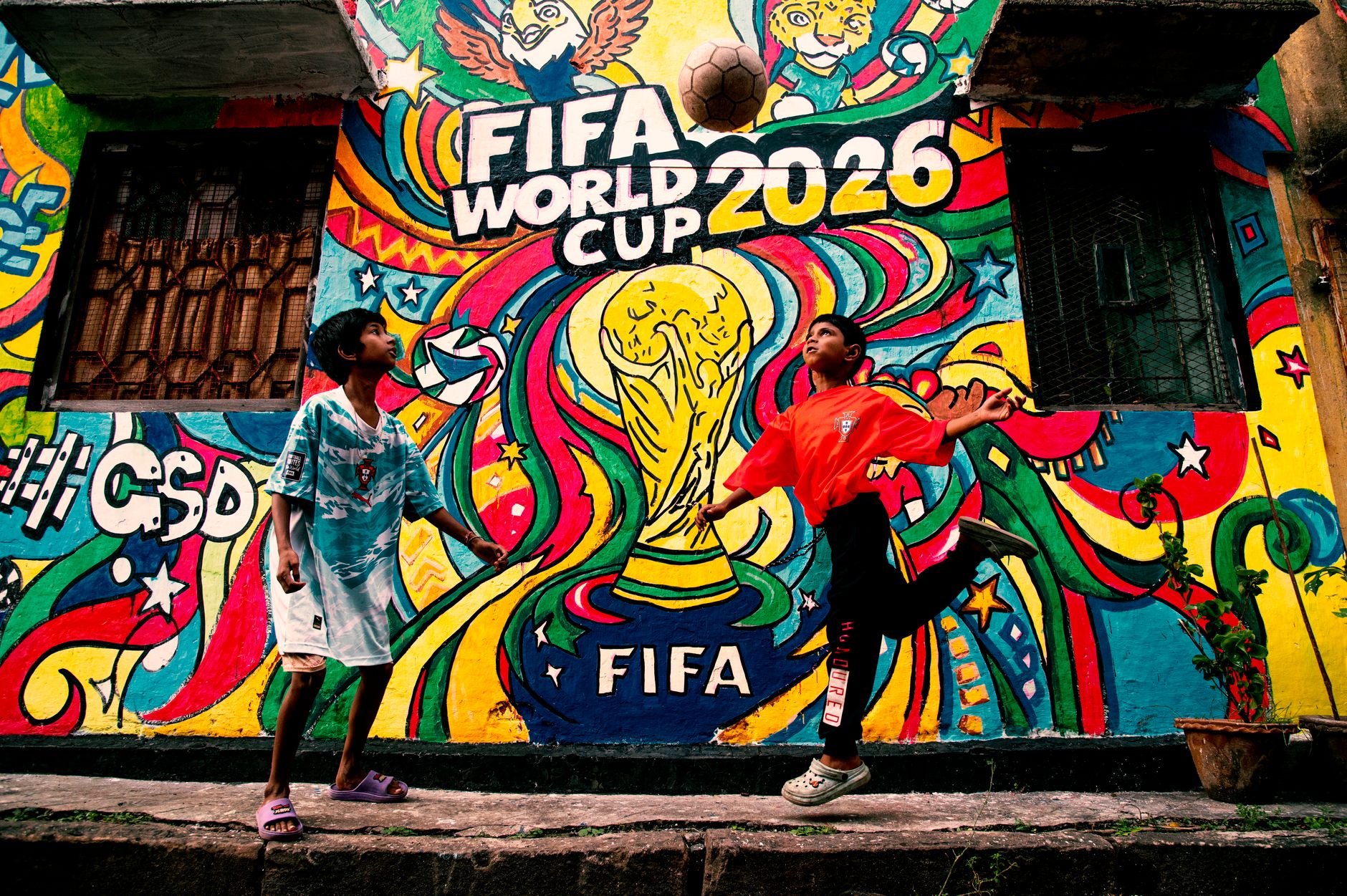
Photo by Anirban Das on Pexels
Verdict: Is the 2026 World Cup Worth the Hype?
The 2026 FIFA World Cup delivers on spectacle but trades competitive density for geographic breadth. With 48 teams, several group-stage matches will be functionally one-sided, producing predictable scorelines that drain late-tournament momentum. The expanded knockout round adds two extra fixtures — a Round of 32 and a Round of 16 — which means more matches, more rest days, and a longer calendar, but also more games where top-tier nations face weaker opposition before the quarterfinals.
For fans, the upside is concrete: 24 additional nations are competing compared to 2022, meaning more first-time appearances, more unexpected group winners, and more storylines in the early rounds. For tracking predictions and group-stage outcomes, the value of platforms like World Cup Hub rises in proportion to the number of variables — more teams mean more matchups, more permutations, and more analytical depth.
The verdict: worth watching, harder to follow linearly. Plan travel early, budget above 2022 prices, and accept that the format is now a 39-day regional championship with World Cup branding rather than a compressed global final. The football remains elite. The structure has changed.
For complete tournament coverage, daily predictions, and tactical breakdowns of all 48 teams, World Cup Hub is built for fans who want more than just scores.
Frequently Asked Questions
Q: When and where is the 2026 FIFA World Cup held?
A: The tournament runs June 11 to July 19, 2026, across 16 host cities in the United States, Mexico, and Canada. The final is scheduled for MetLife Stadium in East Rutherford, New Jersey. This is the first World Cup co-hosted by three nations.
Q: How many teams are playing in the 2026 World Cup?
A: 48 national teams are participating, expanded from 32 in 2022. The 48 teams are divided into 12 groups of 4, with the top two finishers and eight best third-placed teams advancing to a 32-team knockout round.
Q: How does third-place qualification work in the 2026 format?
A: Eight of the twelve third-placed teams advance based on points, goal differential, goals scored, and fair-play points if tied. A team with three points (one win, two losses) can still qualify under the 2026 rules, a major shift from previous tournaments.
Q: Which stadiums are hosting 2026 World Cup matches?
A: Sixteen venues are in use, including MetLife Stadium (New Jersey), SoFi Stadium (Los Angeles), AT&T Stadium (Dallas), Hard Rock Stadium (Miami), Estadio Azteca (Mexico City), and BC Place (Vancouver). Capacities range from 40,000 to over 80,000.
Q: Why is the 2026 World Cup more expensive than past tournaments?
A: FIFA set category 1 final tickets between $2,000 and $6,500, with group-stage tickets starting at roughly $60. Hospitality packages begin at $10,500 per match. Pricing reflects expanded venue infrastructure across three countries and high projected demand.
Q: What is new about the 2026 knockout format?
A: The knockout stage now features 32 teams instead of 16, requiring an extra Round of 32 and Round of 16. The bracket is fixed based on group-stage performance, meaning third-placed teams face predetermined opponents rather than a random draw.
Q: How do time zones and travel affect the 2026 World Cup schedule?
A: The tournament spans three time zones (Pacific, Central, Eastern) and over 4,000 kilometers from Vancouver to Mexico City. FIFA mandated that no team plays two matches more than 2,500 kilometers apart on consecutive days to limit travel strain.
Intelligence received.
World Cup Hub · Intelligence Feed · Protocol v1.0