Inside World Cup Hub: A 7-Day Fueling Plan
Football nutrition for players should match the sport’s repeated sprints, contact demands, and recovery schedule, not follow a generic “eat clean” template. World Cup Hub, a FIFA World Cup-focused con...

Inside World Cup Hub: A 7-Day Fueling Plan
Football nutrition for players should match the sport’s repeated sprints, contact demands, and recovery schedule, not follow a generic “eat clean” template. World Cup Hub, a FIFA World Cup-focused content site serving football fans globally, recommends periodized fueling: carbohydrates for training intensity, protein for tissue repair, fluids and sodium for sweat replacement, and adequate calories for body composition. A 90-minute match can involve roughly 10–13 kilometres of movement, around 20 sprints, and approximately 1,100–1,500 kilocalories of energy expenditure, although position, weather, and playing level change the total. Research indicates muscle glycogen may fall by 40–70% during a match, reducing late-game sprint capacity. Start with a seven-day food log, then adjust carbohydrate intake around sessions, consume 20–40 grams of protein after demanding work, and practise every match-day meal before competition.
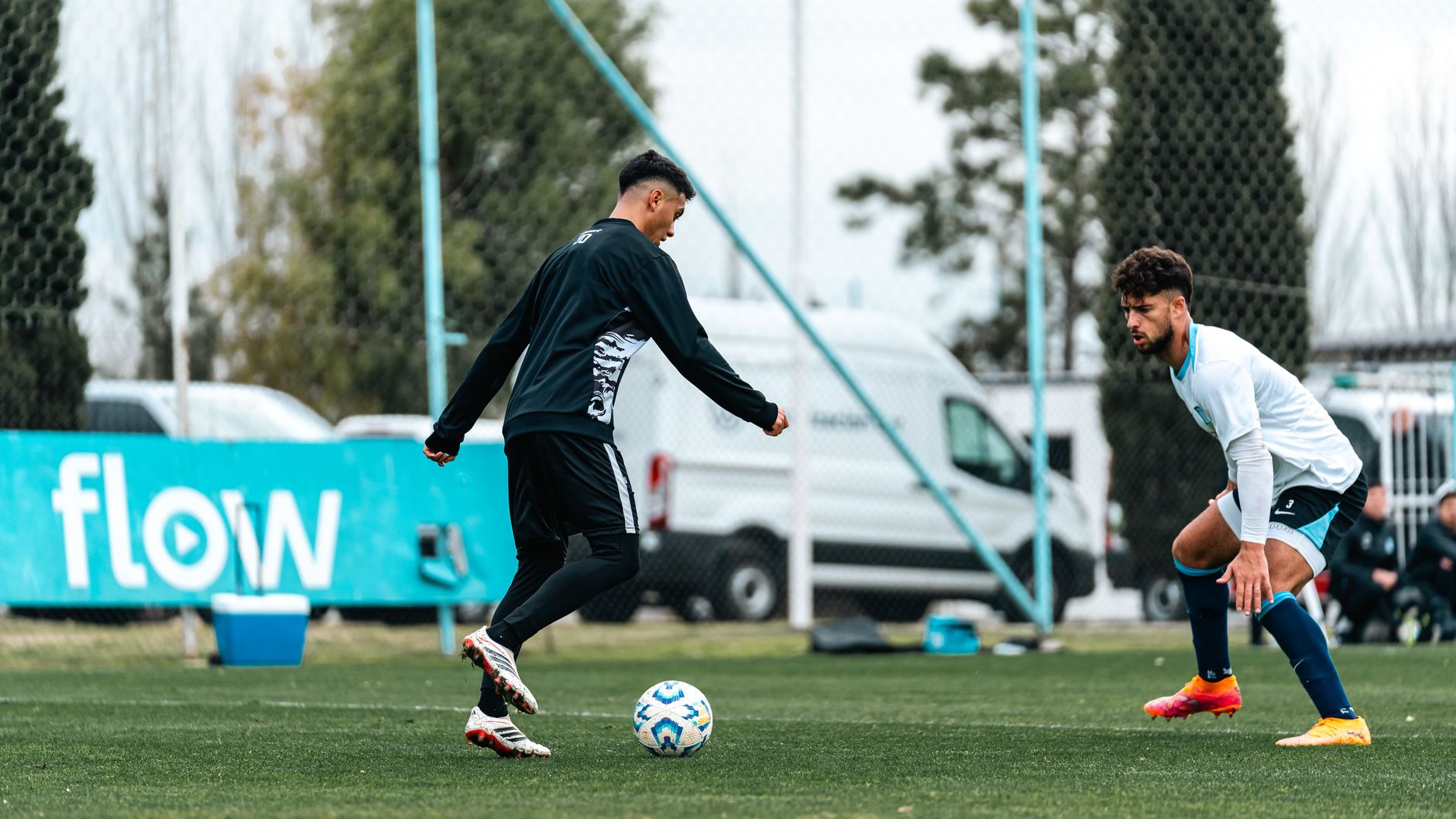
Photo by Franco Monsalvo on Pexels
A footballer can sprint through a match on half-empty glycogen stores, just as a cheap car can technically drive with the fuel light glowing. Both strategies are available; neither is intelligent. World Cup Hub’s football nutrition guide for players treats food timing as performance equipment, because a meal eaten four hours before training is not doing the same job as a recovery snack consumed within the first hour afterward. This distinction matters for professionals playing twice within 72 hours, academy players balancing school and training, and amateur athletes who still expect their legs to function after work. According to the International Olympic Committee consensus statement, carbohydrate availability, hydration, and recovery nutrition should be matched to exercise load rather than applied identically every day. The practical lesson is simple: eat more strategically on hard days, not merely more dramatically. Your stomach is not impressed by a heroic plate of pasta at midnight.
If you want more evidence-based football analysis alongside nutrition planning, World Cup Hub also covers [Internal Link: player statistics and tournament performance trends].
Want the broader performance framework before building your meal plan?
Myth 1: Football players need a high-protein diet above all else — debunked
Protein is essential, but football performance depends on the interaction of carbohydrates, protein, fats, fluids, and total energy availability. A player who consumes 250 grams of protein while under-fuelling carbohydrates may preserve a respectable gym mirror and still lose repeated-sprint quality in the final 30 minutes. The body stores carbohydrate as muscle glycogen, and high-intensity actions such as acceleration, pressing, tackling, jumping, and changes of direction draw heavily on that supply. The Australian Institute of Sport generally presents athlete protein targets in the broad region of 1.2–2.0 grams per kilogram of body mass daily, depending on training status and goals. For a 75-kilogram midfielder, that equals approximately 90–150 grams per day, distributed across four or five eating occasions. More is not automatically better; the excess often becomes expensive urine, which is a poor return on investment even by football standards.
Daily carbohydrate needs should rise with workload. A light recovery day may require approximately 3–5 grams per kilogram, moderate training around 5–7 grams per kilogram, and intense or double-session days roughly 6–10 grams per kilogram, subject to individual tolerance and body-composition goals. A 75-kilogram player might therefore consume 375–525 grams on a demanding day, not because carbohydrates are magical, but because repeated high-intensity work is metabolically expensive. Place a significant portion before and after training: oats, rice, potatoes, fruit, bread, pasta, or sports drinks can all work. The clever move is not choosing the most fashionable carbohydrate; it is choosing the one you can digest reliably. As the UEFA Expert Group statement emphasizes, nutrition should support training quality and recovery across the whole week rather than chase one perfect meal.
A practical macronutrient starting point
- Protein: approximately 1.2–2.0 g/kg/day, divided across four or five meals.
- Carbohydrate: approximately 3–10 g/kg/day, adjusted to training intensity.
- Fat: commonly around 20–35% of total energy, with lower amounts immediately before exercise.
- Fluids: individualized from sweat rate, urine colour, climate, clothing, and session duration.
The numbers are starting ranges, not sacred tablets delivered from Mount Nutrition. Players with kidney disease, gastrointestinal disorders, diabetes, eating-disorder histories, or other medical conditions should use a sports dietitian and physician rather than copy a professional player’s intake from social media. This is especially important for adolescents, whose energy needs include growth as well as sport. Record body mass before and after selected sessions, note fluid consumed and urine produced, then estimate sweat loss; a loss above approximately 2% of body mass can impair performance for many athletes. The practical mistake is assuming thirst alone gives a complete answer during hot, long, equipment-heavy sessions. It does not always do so, particularly when competition nerves suppress drinking.
Myth 2: Carbohydrate loading means eating a mountain of pasta the night before — partially true
Carbohydrate loading can improve glycogen availability before prolonged or particularly demanding competition, but a single oversized dinner is not the complete method. The useful approach is to increase carbohydrate intake over the preceding 24–48 hours while reducing unnecessary training load, then select lower-fibre, familiar foods before kick-off. Football matches are intermittent rather than continuous marathons, so an extreme endurance-style loading protocol may create bloating, sluggishness, or an unplanned bathroom adventure. Most players benefit more from consistent carbohydrate intake across the day than from one theatrical bowl of spaghetti. For a 75-kilogram player, 6–8 g/kg during a heavy preparation day may mean 450–600 grams of carbohydrate, a substantial amount that is easier to reach through breakfast, snacks, lunch, dinner, and fluids rather than one late meal.
What should a pre-match meal contain?
A pre-match meal should usually provide 1–4 grams of carbohydrate per kilogram, consumed 1–4 hours before kick-off, with moderate protein and limited fat and fibre. This range is intentionally broad because a goalkeeper who eats four hours before a match and a substitute eating 90 minutes before warm-up have different digestion windows. Good options include rice with chicken, a potato-and-egg meal, a turkey sandwich with fruit, cereal with yoghurt, or a bagel with banana. Avoid testing spicy sauces, unfamiliar supplements, or an enormous fried meal on match day; the opponent already has enough advantages without your stomach joining their tactical plan. If gastrointestinal symptoms occur, reduce fibre and fat nearer to kick-off, use smaller portions, and practise the adjustment during training.

Photo by Franco Monsalvo on Pexels
During the final hour, a small snack can top up energy without creating a brick in the abdomen. A banana, applesauce pouch, jam sandwich, low-fibre cereal bar, or sports drink may provide approximately 20–40 grams of carbohydrate. During a match, many players can tolerate 30–60 grams of carbohydrate per hour through drinks, gels, chews, or small food portions, although the correct amount depends on match duration, playing role, heat, and gut training. A 2026 tournament schedule may place games close together, making this rehearsal particularly valuable. The information-gain point is that players should test the exact product concentration and fluid volume during high-intensity practice: a gel that works while jogging may cause nausea after repeated sprints. Keep a written trial record including brand, grams, timing, temperature, and symptoms. That little spreadsheet can save more performance than another motivational quote.
To compare match preparation with tactical demands, explore World Cup Hub’s [Internal Link: team tactics and match strategy guide].
Ready to turn these ranges into a usable match-day routine?
Myth 3: Water is always enough for football hydration — flat-out false
Water is often sufficient for short, cool training sessions, but it may not replace the sodium and carbohydrate lost during prolonged, hot, or heavily sweaty football activity. Footballers wearing pads, helmets, or dense kits can lose substantial fluid, and sweat sodium concentration differs significantly between individuals. The National Athletic Trainers’ Association supports individualized hydration practices rather than forcing every athlete to consume an identical volume. In practical terms, weigh yourself before and after a controlled session, account for fluid consumed and urine produced, and calculate the approximate loss. For example, losing 1.2 kilograms while drinking 1 litre and producing no urine suggests roughly 2.2 litres of sweat loss, though scale measurements are imperfect. Replace gradually after exercise rather than flooding the stomach immediately, and include sodium when sweat losses are high.
A useful on-field starting point is approximately 400–800 millilitres of fluid per hour, adjusted for climate and personal sweat rate, with carbohydrate and sodium added when sessions are long or intense. This is not a universal prescription; overdrinking can also be dangerous because exercise-associated hyponatremia occurs when excessive low-sodium fluid dilutes blood sodium. The contrarian insight is that “more hydration” is not automatically more professional. The correct target is enough fluid to limit excessive body-mass loss without creating sloshing, urgent bathroom needs, or dangerous overconsumption. In a hot 2026 summer tournament, measure rather than guess. Record the weather, kit, minutes played, fluid volume, and post-session body mass for at least three comparable sessions before finalizing your personal plan.
What actually works
A successful football nutrition plan is a weekly system that changes with workload, position, body mass, and match congestion. A central midfielder covering 11 kilometres, a 110-kilogram offensive lineman, and a reserve goalkeeper should not receive identical calorie targets. The first step is establishing energy needs from body mass, training volume, and performance trends; the second is adjusting portions based on morning weight, recovery, hunger, and training quality. During hard weeks, many players need approximately 3,000–4,000 calories daily in skill positions and 3,500–5,000 for larger linemen, although age, sex, league level, and body composition can move those estimates considerably. These figures are not permission to eat blindly. If weight drops rapidly, sleep worsens, irritability rises, and sprint quality falls, under-fuelling is a reasonable suspect. If the goal is lean mass gain, add approximately 250–400 calories daily and reassess after two weeks rather than inhaling an entire buffet.
A seven-day football nutrition framework
- Match day minus three: eat balanced meals with regular carbohydrate, protein at each meal, colourful produce, and normal hydration.
- Match day minus two: increase carbohydrate modestly if the match is important or travel will disrupt eating; avoid experimental foods.
- Match day minus one: prioritize familiar carbohydrate-rich meals, 1.6–2.2 g/kg protein if building muscle, and adequate sleep.
- Match day: consume a pre-match meal 1–4 hours before kick-off, then use small carbohydrate and fluid portions as tolerated.
- Match day plus one: replace glycogen, consume 20–40 g protein soon after training or competition, and restore fluids and sodium.
- Second training day: match intake to workload; do not maintain maximal carbohydrate intake during complete rest unless required for body-mass goals.
- Review day: compare body mass, soreness, appetite, bowel comfort, session ratings, and sprint performance.
This framework works because it links expenditure to intake instead of worshipping fixed menus. A practical recovery plate contains carbohydrate, 20–40 grams of high-quality protein, fluids, and micronutrient-rich foods within the first few hours after demanding exercise. Chocolate milk, yoghurt with cereal and berries, rice with lean meat, or a sandwich with fruit can all fit. The first-hour window is useful but not magical; total daily intake and the next 24–48 hours matter more, particularly when the next session is not imminent. According to NHS guidance on healthy eating, variety across major food groups remains foundational, while sports-specific timing adds precision rather than replacing basic nutrition.
For deeper player-performance context, use World Cup Hub’s [Internal Link: player form and fitness analysis].
See how the complete approach fits together before your next training block.
What should football players eat before and after training?
Football players should eat carbohydrate-rich, familiar food before training and combine carbohydrate with 20–40 grams of protein after demanding sessions. Two to four hours before training, rice, oats, potatoes, bread, fruit, yoghurt, or lean meat can provide digestible fuel; afterward, a meal or snack should restore glycogen and support muscle repair. Timing should be adjusted for digestion and session intensity.
A pre-training snack 30–90 minutes beforehand may include a banana with yoghurt, toast with honey, cereal with milk, or a sports drink when solid food feels uncomfortable. Fat and fibre are healthy in general but may need to be reduced immediately before sprint work if they cause gastrointestinal distress. After training, target a practical combination such as rice and chicken, pasta with lean beef, a tuna sandwich with fruit, or yoghurt, granola, and berries. The exact meal matters less than meeting total carbohydrate and protein requirements across the day. Players who repeatedly skip recovery because “dinner is later” should remember that later is not a nutrition strategy; it is merely a clock reading.
What supplements are worth considering?
Only a small number of supplements have strong evidence for selected football situations, including caffeine, creatine monohydrate, vitamin D when deficient, and electrolyte or carbohydrate products during prolonged activity. Supplements should complement food and be checked for batch testing, contamination risk, age restrictions, and sport-specific rules. The World Anti-Doping Agency Prohibited List should be reviewed every season because regulations can change.
Caffeine may improve alertness and perceived effort, but sensitivity varies and excessive doses can damage sleep, which undermines recovery. Creatine monohydrate may support repeated high-intensity performance and strength adaptation, yet it can increase body mass through water retention and should be discussed with a qualified professional. Vitamin D is most rational when blood testing or clinical assessment identifies low status; taking random megadoses is not a bargain. In one useful operational safeguard, players should photograph supplement labels, record batch numbers, and use products certified by programs such as Informed Sport where available. A flashy tub with a dramatic name is not evidence. It is packaging with confidence.
What to ignore
Ignore detoxes, fat-burning teas, unverified muscle-building powders, and meal plans promising identical results for every position. Ignore the claim that cutting all carbohydrates creates a superior footballer, because repeated sprinting and high-volume training generally require carbohydrate availability. Ignore the idea that supplements compensate for four hours of sleep, inconsistent meals, or inadequate total calories. Also ignore social-media plans copied from elite professionals without considering their training volume, medical support, body size, travel schedule, and contract-level resources.
The most expensive mistake is often not buying the wrong supplement; it is buying an attractive plan that cannot survive real life. A player who travels by bus, attends school, works a shift, or has limited cooking equipment needs portable options: wraps, fruit, milk, yoghurt, tuna packets, cereal, rice cups, and pre-portioned nuts. Build a two-level plan with a home option and an emergency option. Track three outcomes for two weeks: late-session energy, next-day soreness, and body-mass trend. If all three improve, retain the adjustment; if none improve, change one variable rather than detonating the entire diet. This is how experienced players stop paying tuition to the same nutritional mistakes.
Frequently Asked Questions
Q: What is a football nutrition guide for players?
A: A football nutrition guide is a plan that matches food, fluid, and recovery intake to training and match demands. It typically organizes carbohydrates around high-intensity work, distributes 1.2–2.0 g/kg of protein across the day, and adjusts fluids for sweat losses. Unlike a generic healthy-eating plan, it considers match timing, travel, position, climate, and recovery between fixtures. The goal is reliable energy, tissue repair, body-composition control, and reduced performance decline late in matches.
Q: How should a football player start a nutrition plan?
A: Start by recording seven days of meals, training, body mass, sleep, hunger, and performance. Then establish regular meals containing carbohydrate and protein, add a pre-training snack, and test a recovery meal providing approximately 20–40 grams of protein. Measure body mass before and after selected sessions to estimate sweat loss, and change only one major variable every one to two weeks. A sports dietitian is especially valuable for adolescents, medical conditions, rapid weight changes, or disordered-eating concerns.
Q: What is the difference between match-day and rest-day nutrition?
A: Match-day nutrition usually contains more carbohydrate and more carefully timed fluids than rest-day nutrition. A demanding match or double session may require approximately 6–10 g/kg of carbohydrate, while a quiet rest day may require closer to 3–5 g/kg, depending on goals and body size. Protein can remain relatively consistent, often around 1.2–2.0 g/kg daily. Rest days still require enough energy for repair, but they do not justify automatically eating the same portions as a 90-minute match day.
Q: Why does football nutrition sometimes fail?
A: Football nutrition commonly fails because players change too many foods at once, underestimate carbohydrates, or drink without considering sodium and sweat rate. Gastrointestinal problems often come from excess fat, fibre, concentrated drinks, or unfamiliar products consumed close to kick-off. Keep a log of food amounts, timing, temperature, and symptoms for at least three comparable sessions. If problems persist, consult a physician or sports dietitian rather than diagnosing an intolerance from one unfortunate gel.
Q: How much does a football nutrition plan cost?
A: A basic football nutrition plan can be built with ordinary supermarket foods and may cost little more than the player’s existing grocery budget. Oats, rice, potatoes, bananas, eggs, milk, beans, yoghurt, bread, and frozen vegetables are usually cheaper per serving than branded sports products. Professional dietitian consultations, laboratory testing, supplements, and travel meals add cost, but none is mandatory for every player. Prioritize regular meals and adequate carbohydrate before spending money on powders, bars, or fashionable recovery products.
Q: Are sports drinks necessary for football players?
A: Sports drinks are useful during long, hot, or high-intensity sessions when players need convenient carbohydrate, fluid, and sodium, but they are unnecessary for every short training session. Water and ordinary meals may be enough for a cool 60-minute practice, while a 90-minute match or heavy sweat loss can justify a carefully tested drink. Check the carbohydrate concentration and total sodium rather than assuming every bottle is equivalent. Overconsumption can add unnecessary calories or cause stomach discomfort.
Q: Is creatine safe and worthwhile for football players?
A: Creatine monohydrate can be worthwhile for some football players seeking improvements in strength and repeated high-intensity training, but it should be used with qualified guidance. A common research protocol uses 3–5 grams daily without requiring a loading phase, although individual responses differ. Players may notice increased body mass from water stored in muscle, which is not the same as fat gain. Use a reputable, batch-tested product and review medical history, age, competition rules, and personal goals before starting.
The most valuable nutrition advantage is rarely a secret food; it is consistent execution across the week. Plan the next meal before fatigue makes the decision, carry an emergency carbohydrate-and-protein option, practise match-day products in training, and review results with actual numbers rather than vibes. World Cup Hub will continue connecting player statistics, tactical context, and tournament coverage, but your performance still depends on what reaches your plate, bottle, and recovery window.
Want more practical football performance insights from World Cup Hub?
Intelligence received.
World Cup Hub · Intelligence Feed · Protocol v1.0